When your product has no story to tell, you change something real in the offer. Marketing can only tell what exists. The AT&T case shows how to do it in a category where everyone promises the same thing.
The story comes from “Lessons from the Frontier”, a report Google published in November 2026 after conversations with more than 200 marketing leaders on the Frontier CMO podcast. Google sells AI and YouTube, so the report is a source with its own interest. The figures in it come from the companies, with no public methodology, and appear here as their claims.
1. What AT&T’s marketing chief says
In the report, Kellyn Smith Kenny, Chief Marketing & Growth Officer at AT&T, says marketing has a “story problem” when the company has built nothing customers talk about with enthusiasm. Without a product to tell, storytelling has no material. The text comes after the product.
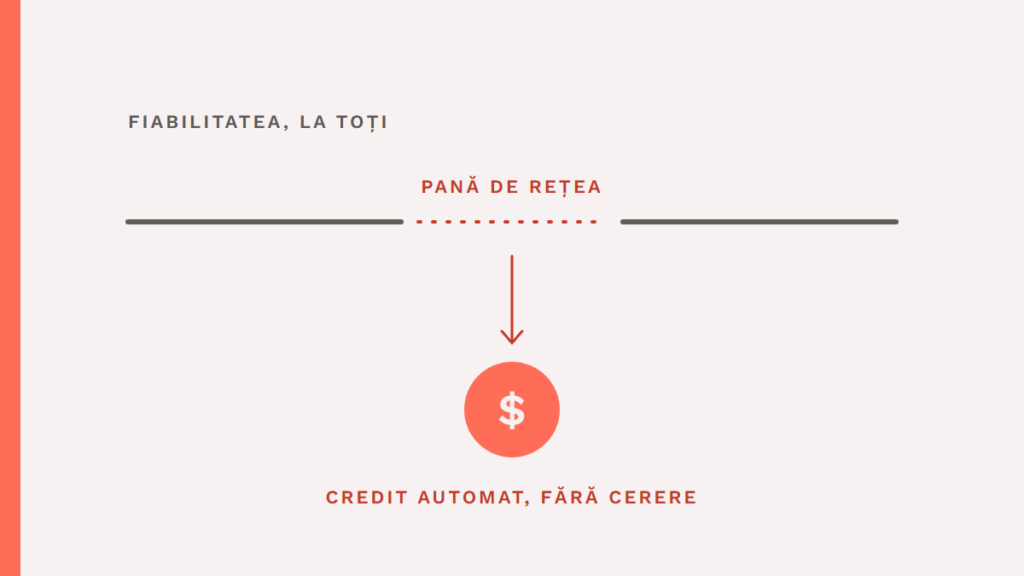
The report adds what she did. Kenny convinced AT&T’s leadership to put the customer ahead of the industry habit of playing the promotional price game. The result was the “AT&T Guarantee”, a guarantee that credits the customer without the customer asking for anything.
A good text on a product identical to your neighbour’s is still just text, and the customer skims it as fast as your team wrote it. The difference has to exist in the product, before any ad page.
2. What the guarantee promises, with its conditions
The report says the guarantee credits a full day of service after an outage of only 20 minutes. That figure holds for only some customers; the 2025 press gives the exact conditions.
Phone Scoop, which summarises the announcement AT&T made on 8 January 2025, describes two thresholds. For fibre, the credit starts at 20 minutes. For the mobile network, an “outage” means at least ten towers down for 60 minutes or more from the same incident, with the customer connected to an affected tower just before and without service for 60 minutes straight.
The credit is calculated from the base plan price, without device payments, added services, taxes and fees. If the outage lasts more than 24 hours, the customer gets one more day for each extra day. The credit appears within one or two billing cycles.
The guarantee covers postpaid customers with accounts in good standing, excluding FirstNet customers. Outages outside AT&T’s control (natural disasters, weather, third parties) stay excluded. The announcement spells out the limits.
3. Parity and difference in a network category
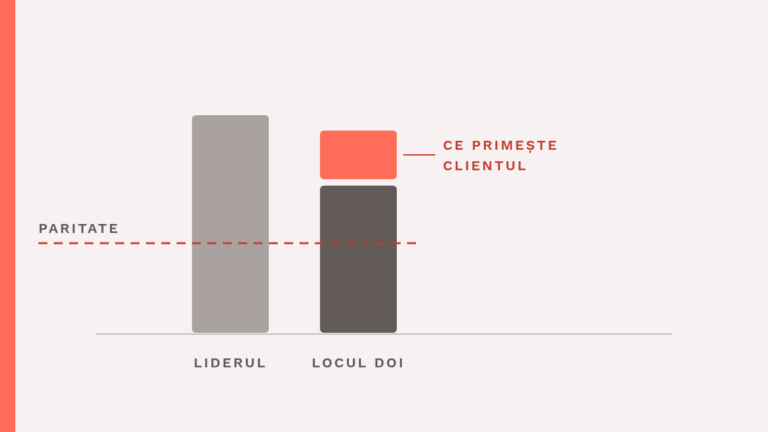
In the trade’s language, a point of parity is what you need to enter the category. A point of difference is what gets you chosen in the category. Both ideas are explained in the article on points of parity and points of difference.
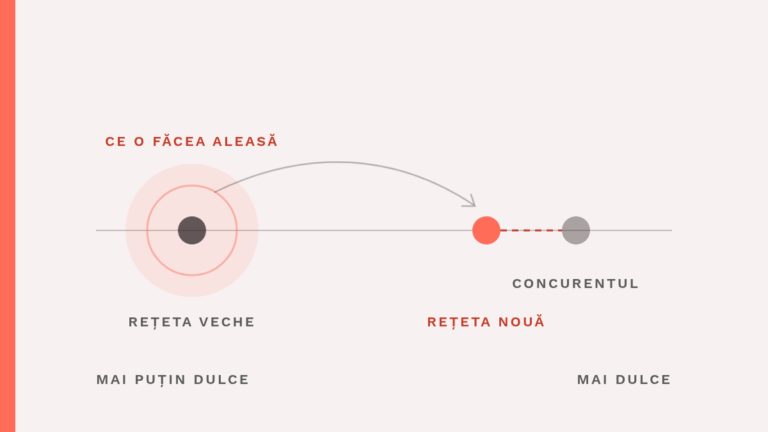
For a phone operator, working service is the entry ticket. Reliability stays a point of parity. If every operator talks about coverage and speed, the customer cannot tell their claims apart, because they all sound the same.
The guarantee moves reliability into another zone. A credit that appears on the bill by itself is proof the customer can see and retell. The rule I propose for this theme reads: “A client puts you on the list for what you share with everyone else and picks you for what only you have.”
In AT&T’s case, the list contains the network, as with any other operator. The choice comes from what happens on the day the network goes down and from who moves first: the company, before the customer shows up with a complaint in hand.
4. What we do not know from this case
The report gives no figures on the guarantee’s effect on customers. We do not know how many received a credit, what it cost the company or whether anyone chose AT&T because of it. Figures from after the launch are missing, so the story remains a company statement.
There is one more risk. A promise that sounds bigger than its conditions, like the 20-minute figure read without the 60-minute mobile threshold, produces exactly the reproach the guarantee meant to close. The story holds only if the text in the ad matches the text in the contract.
5. How to apply the idea in your firm
The plan in the report starts at the top: leadership picks the number one friction of the customer that the product experience must solve (page 18 of the report). The steps below apply the idea, and the report does not give them as a recipe.
First ask customers where they lose time, money or trust after buying from you, then pick one friction you can solve with a written promise. Decide what you can promise on it, with a threshold you can measure and pay.
Make the promise automatic: a credit the customer must request remains one more chore for them. Write the conditions in the same place as the promise. The marketing team comes in last, with something to say and proof to show.
Order matters. “A brand clarifies itself before any campaign.” The guarantee does the same at product level: it clarifies what you hold to, before you tell anyone.
What to remember
Look for the difference in the product. When marketing has nothing to say, a point of parity, like a network’s reliability, becomes a reason to choose if you promise something measurable, pay automatically without waiting for the customer’s request and write your own conditions. At AT&T, the thresholds are 20 minutes for fibre and 60 for mobile.
Brand Mentors
I work with companies through Brand Mentors
There I do brand strategy and consulting, starting from consumer psychology. You will find the services on brandmentors.ro.
Go to Brand Mentors