A “different” is a difference when the client picks you for it and your competitor does not already have it. It is noise when it moves you closer to your competitor or away from what your clients were looking for. You check it against the client’s alternative.
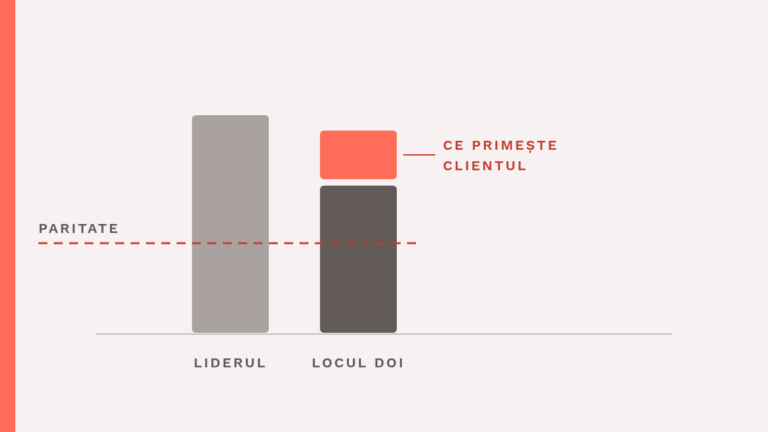
My trade has two names for this. Points of difference are what get you chosen in the category. Points of parity are what you need to enter the category.
I wrote about this pair in the article on points of parity and points of difference. Here I take the case of a big company that mixed up the two with all the numbers on its side: Coca-Cola.
1. The test Coca-Cola kept losing in public
In 1975, Pepsi launched the Pepsi Challenge, a blind taste test in which people drank from two unlabelled cups and said which they liked more. The results leaned towards Pepsi.
Coca-Cola’s history site says its market-share lead over its main rival had been thinning for 15 years in a row in the United States, the company’s biggest market. The change that followed was meant to give the brand fresh energy there.
In his book Blink, Malcolm Gladwell sees in the test results a weakness of the method, Wikipedia writes. From a single sip, people usually pick the sweeter drink, even if over a full can they would prefer the less sweet one. Pepsi was sweeter.
2. The answer: a sweeter Coca-Cola
On 23 April 1985, The Coca-Cola Company announced the first change to its recipe in 99 years. The team had chosen the new recipe after taste tests with almost 200,000 consumers. Wikipedia notes that the sweeter drink beat both regular Coca-Cola and Pepsi in the tests, by a wide margin.
One detail changes how you read that figure. Also according to Wikipedia, Coca-Cola’s less sweet taste had until then been a reason to prefer it over Pepsi.
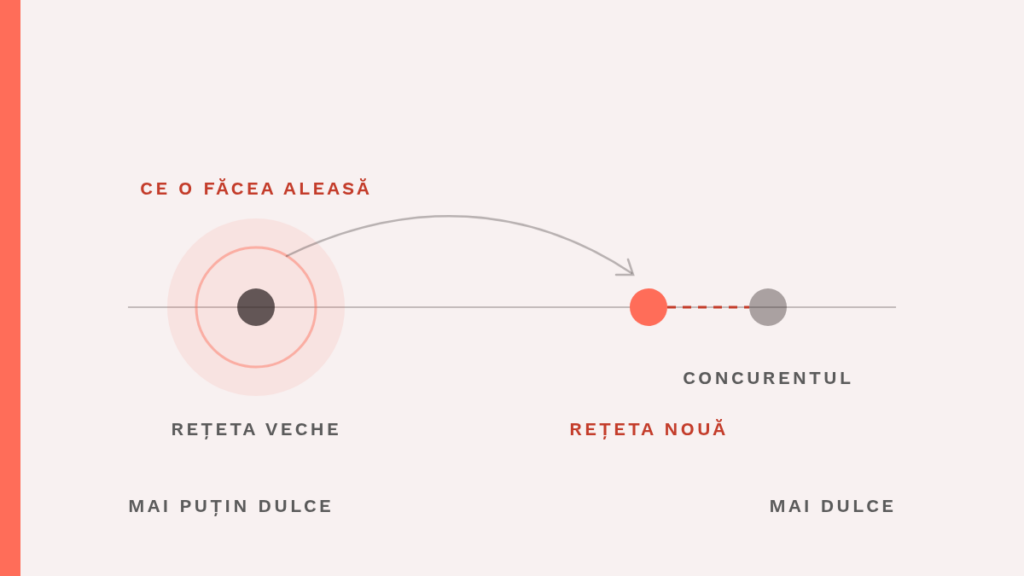
The new recipe came out different from yesterday’s Coca-Cola. Against Pepsi, the distance shrank. The team measured the difference against its own product, while the client compared it with the drink in the other cup and with everything they knew about Coca-Cola from before the test.
The company launched the new recipe with a campaign called “Catch the Wave”. For Coca-Cola Classic, back on the shelves after customer protests, it later used the campaign “Red, White and You”.
3. What customers said after the announcement
By June 1985, the company’s consumer hotline was getting 1,500 calls a day, up from 400 before the change. People formed groups with names like Society for the Preservation of the Real Thing or Old Cola Drinkers of America. One man in San Antonio bought a $1,000 stockpile of old Coca-Cola.
On 11 July 1985, after 79 days, the company brought the original recipe back to the shelves under the name Coca-Cola Classic. In two days, the hotline received 31,600 calls.
Coca-Cola says today that the tests did not measure people’s emotional bond with their drink. The unlabelled cup removed the label from the calculation, with everything the label had gathered in clients’ minds up to 1985. That was the missing piece.
4. Where parity and difference got tangled
This is how I read the case. Sweet taste was Pepsi’s advantage in a one-sip test, Coca-Cola caught up with it and paid for a point of parity with its own recipe.
A cola has to taste good to enter the discussion, and Coca-Cola had cleared that bar long before. What made it the one people picked came from its name and from customers’ habit, built up over time, and a test without a label had no way to weigh them. The change hit exactly that part.
A client puts you on the list for what you share with everyone else and picks you for what only you have. Coca-Cola worked on the first half of that sentence and broke the second.
5. Three questions for your “different”
Before you change a product, a price or a package to stand out, ask yourself three questions. You can use them in a ten-person firm as well as in a multinational with a testing lab. They take an afternoon.
Different from whom? The team usually compares the new version with the old one. The client compares it with the alternative within reach, so put the new version on the table next to the competitor’s offer, however uncomfortable that feels.
Does it bring you closer or move you away? If the change makes you more like the one who beats you in tests, you have won at most a point of parity. Sometimes that is exactly what you need, as long as you know what you are buying.
What does the client who picks you today lose? Ask your loyal clients why they come to you and write down their words, just as they say them. If their reason disappears from the new version, you have found the noise before paying for it.
Say you run a neighbourhood car garage and you see the chain on the boulevard advertising online bookings. You add them too, which gives you a useful point of parity. If you instead drop the mechanic who explained to people on the phone what was wrong with their car, you have lost the reason they came to you.
I wrote separately about how you say you are just as good and still different, in the article on being just as good and different. The two texts work best read together.
What to remember
Coca-Cola made a drink different from its own and closer to its competitor’s, based on a test that took the label out of the calculation. Measure every “different” against the client’s alternative and against the reason your loyal clients come. The rest is noise.
Brand Mentors
I work with companies through Brand Mentors
There I do brand strategy and consulting, starting from consumer psychology. You will find the services on brandmentors.ro.
Go to Brand Mentors