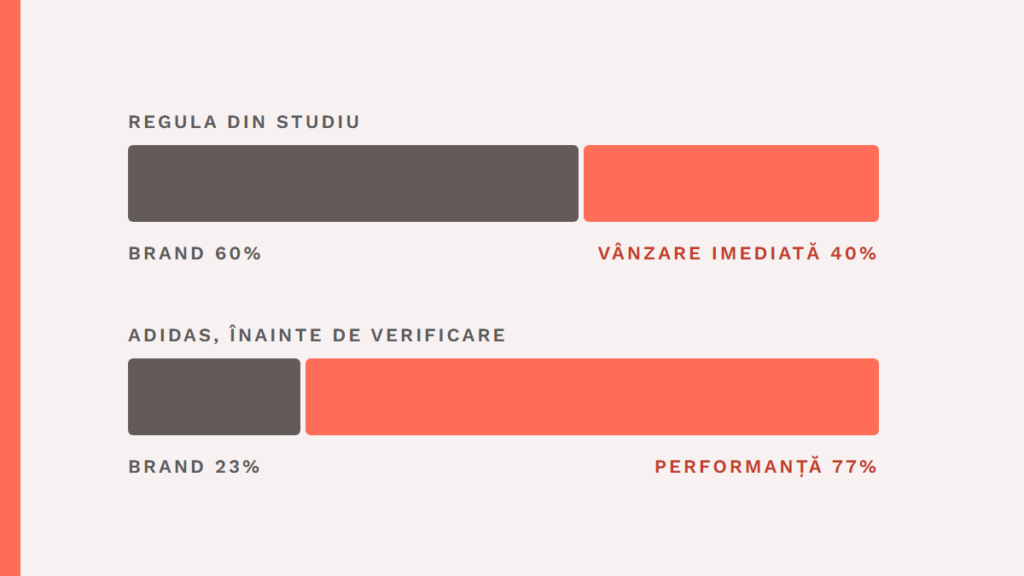
The best-known study on this topic found the best results when about 40% of the budget went to immediate sales and the rest went to the brand. The ratio is a starting point.
I find something more interesting than the number. A large company found out that for years it had run on almost the opposite ratio. The story belongs to Adidas.
1. Two kinds of money in the same budget
Any marketing budget pays for two different things, even when they sit on the same line of the spreadsheet. One part makes people remember you and prefer you when they come to buy. The other part pushes them to buy now.
The first part is usually called brand building. The second is called activation. Online, people call it performance marketing: paid advertising measured by the click, the form or the purchase.
Activation has an advantage that is hard to beat in a budget meeting, because its result shows up the next day, in the report. Brand building works over months and years, and its effect rarely shows up tied to one specific ad.
2. What Binet and Field found
Les Binet and Peter Field analyzed the effectiveness database of the IPA, the Institute of Practitioners in Advertising. Their presentation, “The long and the short of it,” covers 996 campaigns, 700 brands and 83 categories.
Their conclusion sounds simple. Short-term effects keep you efficient, but growth and profit come from long-term effects, so you need both. The same slide says that long-term effects do not appear without the short-term ones.
The authors called the ratio from the first sentence of this article the 60:40 rule. They also saw a difference between types of message, and it matters as much as the split of the money.
Rational messages brought short-term sales increases and left people’s opinion of the brand unchanged. Emotional messages strengthened the brand and led to higher volumes over the long term.
3. What Adidas did with the money
In October 2019, in London, Simon Peel, global media director at Adidas, spoke openly about the company’s mistakes in its media strategy. The German magazine Horizont summed up the talk this way: Adidas had paid too much attention to efficiency and too little to effectiveness.
The two words look alike, but they measure different things. Efficiency tells you how cheaply you get a result. Effectiveness tells you whether that result moves the company’s sales.
According to Peel, 77% of the money went to performance marketing and only 23% to the brand. That is almost the mirror image of the Binet and Field rule.
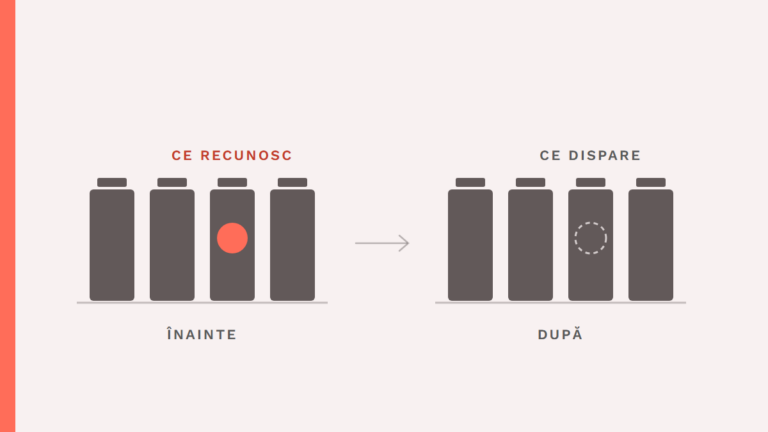
The reason is measurement. Adidas had no model to show how much each contact with the customer counted in the decision to buy, so it looked at the last click.
The method is called last-click attribution. It credits the whole sale to the ad the person clicked last. An ad seen on TV a month earlier appears nowhere in that report.
4. The belief put to the test
When the Adidas team went deeper into the data, Peel said, a few things came out that contradicted the report. Brand advertising drove sales in stores and in ecommerce more reliably than performance advertising.
A comfortable belief also fell: the idea that money spent online brings sales online. The company’s data did not confirm it.
Adidas concluded that money put into video, TV, outdoor and cinema was better placed than money in paid search and online banners. Last-click attribution suggested exactly the opposite.
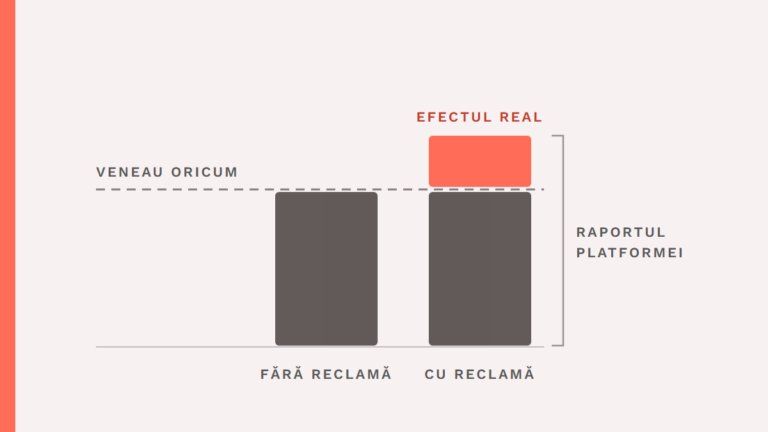
The clearest evidence came from an accident. In Latin America, Google Adwords went down for a while, and traffic and sales from Google search stayed about the same as before.
I read the accident as an experiment nobody planned. Some of the customers credited to search ads would have come anyway, and the report gave the ads the credit.
I wrote about a test of the same kind, done on purpose, in the article on how to tell if a marketing spend really brings anything. There you see how to build such a check without waiting for an accident.
5. The 60:40 rule is a belief too
It would be easy to take a new number from here and apply it without questions. You would repeat the Adidas mistake with a different number in the spreadsheet.
The rule is an average across many categories and many brands, and your category can sit far from the average. A company whose customers buy once every ten years has a different rhythm from one that sells every day.
The authors themselves warn that short-term metrics, taken alone, can mislead. The warning applies to their own rule too, because a ratio that worked well on average only tells you where to start.
The rule I propose for this topic goes like this: “A marketing belief becomes a fact only after you have tried to contradict it.” Adidas tried, and the belief about the last click did not hold.
6. How to check the split in your company
The first step is to write down how much of the budget goes to brand today and how much to activation. If you don’t know the answer, you have already learned something about how you decide the budget.
The second step is to note the belief that holds the split in place, for example that search ads bring new customers. Write it as a hypothesis you can disprove.
The third step is a test that can fail. Pause part of your activation ads for a period, in one area or on one product, and watch whether sales drop as much as the report says.
The fourth step is to judge the result over a longer interval than one campaign. Binet and Field show that brand and activation help each other, and integrating them can double effectiveness.
What to remember
Split the budget into money for the brand and money for immediate sales, and use the ratio from the study as a starting point. Don’t let the last-click report decide the split alone, because it credits activation with sales that something else prepared. Check any belief with a test that can contradict it.
Brand Mentors
I work with companies through Brand Mentors
There I do brand strategy and consulting, starting from consumer psychology. You will find the services on brandmentors.ro.
Go to Brand Mentors