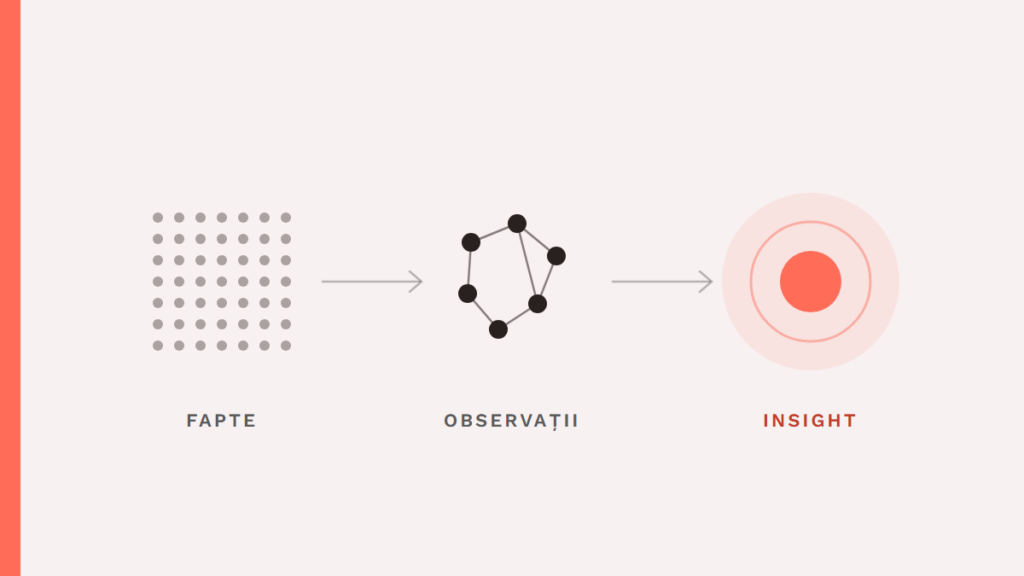
In marketing briefs, the word insight appears on almost every page. Here I use it with one meaning only: a discovery about the customer that explains a behaviour. Most “insights” in briefs are really figures or observations.
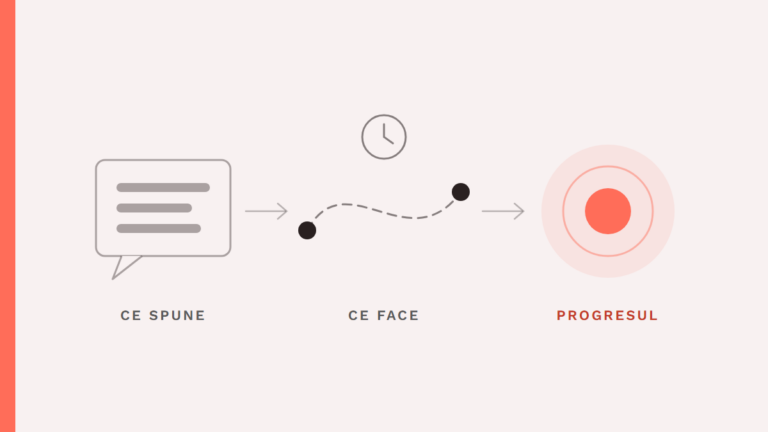
A figure tells you how much, an observation tells you what, and an insight tells you why. Only the last one gives you something to build on.
Three things that get mixed up
A fact is something you can count or check. For example, “snack bar sales rise in the afternoon” or “half of customers abandon the basket before paying”. A fact is the starting point, but it explains nothing.
An observation is what you see people do, in their own context. The customer looks at the price, puts the product back and takes a smaller one. The observation describes the behaviour without saying why it happens.
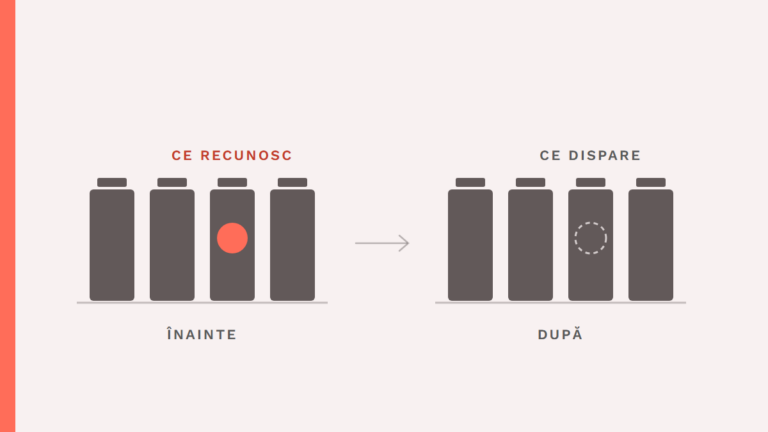
An insight ties the behaviour to a reason the person recognises, even if they would not have said it themselves. When you hear it, you feel you knew it already. That feeling is a good sign.
The Snickers example
In 2010, Snickers launched the campaign “You’re not you when you’re hungry”, with a spot shown during the Super Bowl. In the spot, the actress Betty White plays American football in place of a hungry young man, until he bites into a bar.
The fact behind the campaign is banal: people eat snack bars between meals. The observation goes further: hungry people become irritable, slowed down or odd, and those around them notice first. The insight says why this happens: hunger makes you stop being like yourself.
The insight produced a communication idea that ran for years, in many countries, with different celebrities. The bar got a clear role in the person’s life: it helps you be yourself again.
The bar appears only at the end and helps the person get back to normal. The rest of the spot is about him and the people around him. This is where the link to the progress the customer is looking for shows.
Six steps from observation to insight
1. Gather the facts and stop in time
Start with what you already have: sales, customer questions, searches on your site, reasons for abandoning a purchase. Write each fact on one line, with its source beside it. Facts show you where to look, and from there you move on to people.
Stop when the facts start repeating. A table with two hundred rows keeps you at your desk, away from the people who can explain the figures.
2. Go to the customers
I say this without reservation: “An hour with five real customers tells you more than a day of brainstorming in a meeting.” Brainstorming, the meeting where the team throws out ideas, mostly produces opinions about customers. An interview shows you what people do.
Ask about the last time the person bought a product in your category. Ask them to tell it step by step: where it happened, at what time and who was there. A concrete memory teaches you more than a general opinion.
3. Note what people do, separately from what they say
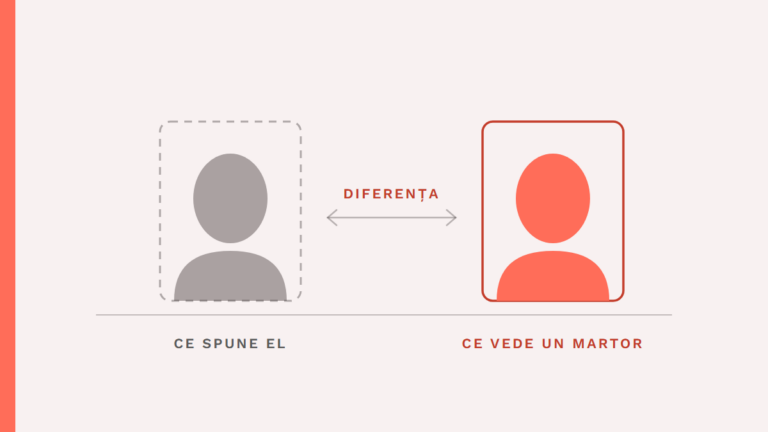
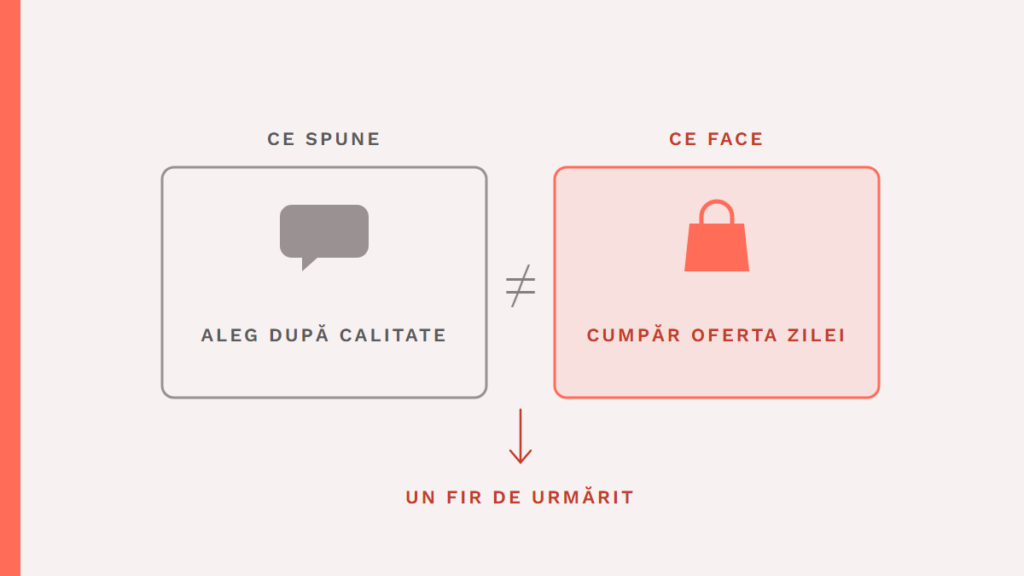
Keep two columns in your notes: in one, what the person says, in the other, what they actually did. Look above all for the differences between the two columns. A customer who says they choose on quality and always buys the offer of the day gives you a thread to follow.
A sentence from the customer, written down exactly as they said it, helps you later to check whether the insight sounds like them or like the marketing team.
4. Look for the tension
An insight usually starts from a tension: the person wants one thing, and something stops them or pushes them elsewhere. With Snickers, the tension is between who you want to be in front of others and who you become when you are hungry. For each observation, ask yourself what the person wants and what gets in their way.
5. Write the insight in one sentence
Use a simple form: “People [do something] because [the reason they recognise].” If you need three sentences to explain it, you have not found it yet. Write several versions and keep the one that anyone on the team understands.
With Snickers, the form would go roughly like this: “Hungry people behave differently from usual, because hunger takes hold of them.” The sentence is short and easy to check.
6. Test it with three questions
First question: does the insight explain a behaviour you have seen with your own eyes? Second: do customers recognise it when you read them the sentence? Third: does it suggest something to do, for the product or for communication?
An insight that passes the first two questions and fails the third is interesting, but it is not useful to you yet. Set it aside and keep looking in your notes.
What is not an insight
A figure, however surprising, stays a fact until you find out why it appears. A generic desire, like “people want quality products at good prices”, holds in almost any category. It tells you too little to build on.
A description of the product is not an insight either, even if it talks about the customer. “Customers appreciate fast delivery” describes a feature. An insight would explain why a one-day delay in delivery makes the customer order from someone else.
A team hypothesis becomes an insight only after customers confirm it. Until then, written as a question, it is a good starting point for interviews.
What to remember
Facts tell you where to look, observations show you what people do, and the insight explains why. The road between them runs through conversations with real customers. A good insight fits in one sentence that the customer recognises.
Brand Mentors
I work with companies through Brand Mentors
There I do brand strategy and consulting, starting from consumer psychology. You will find the services on brandmentors.ro.
Go to Brand Mentors