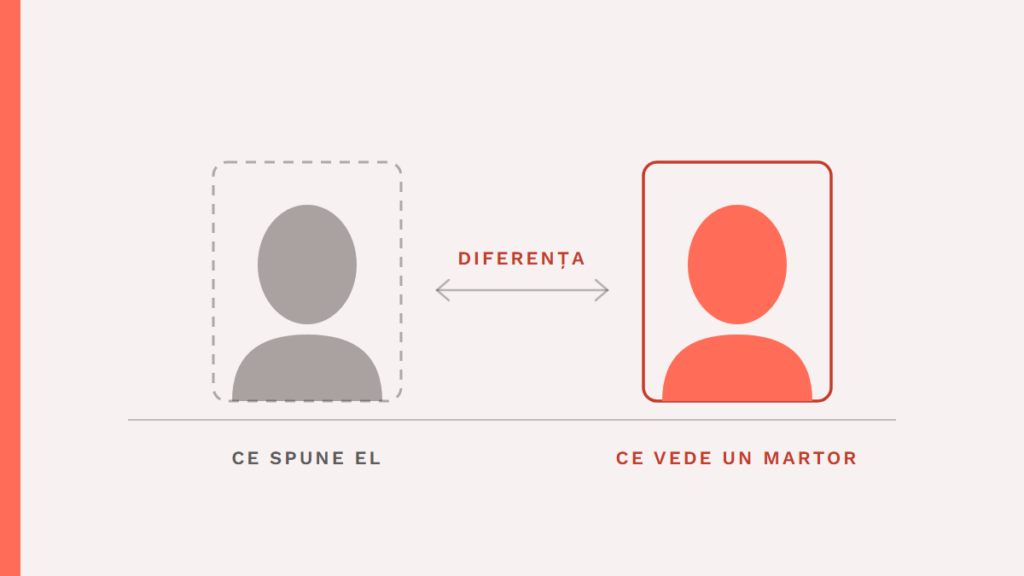
The client tells you honestly how they see themselves, but their description is often harsher and narrower than what others see when they look at them. You only notice it when you put a second description next to it.
In 2013, Dove turned that gap into a three-minute film that millions of people watched. I read it as a research experiment, with a method, a hypothesis and limits.
1. The experiment behind the film
On 14 April 2013, Dove launched the film “Real Beauty Sketches” as part of the brand’s real beauty campaign, made for Unilever by the agency Ogilvy & Mather Brazil. The main character is a sketch artist.
Gil Zamora is a forensic artist trained by the FBI, and Adweek wrote that he had drawn more than 3,000 portraits from witnesses’ descriptions. For the film, Dove and Ogilvy Brazil asked him to draw seven women of different ages and backgrounds without seeing them.
Each woman sat behind a curtain and described herself. The next day, a stranger she had met a little earlier described her again, and Zamora drew a second sketch, again without seeing the face.
Kela Cabrales, a 40-year-old technology teacher and one of the seven women, told HuffPost that they were asked to use neutral terms, just the facts. The strangers had spent time with them without knowing why.
2. What came out of the two descriptions
The women spoke about themselves in phrases that anyone who watches the film to the end remembers. One said her mother used to tell her she had a big jaw, another that she had a fat, round face, and a third that she had a rather big forehead.
At the end, each woman saw her two portraits side by side. The Wikipedia page on the campaign notes that the sketch based on the stranger’s description came out more flattering and closer to the real face every time.
The film ends with the line “You are more beautiful than you think.” What interests me is the route the agency took to reach it.
Each woman got two descriptions, from two sources, under the same conditions and with the same artist. The agency turned the difference between the drawings into the message of the campaign.
3. Why the client does not describe themselves well
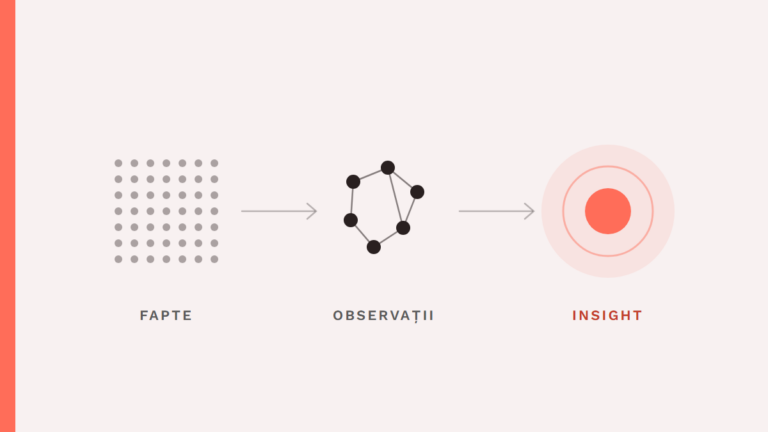
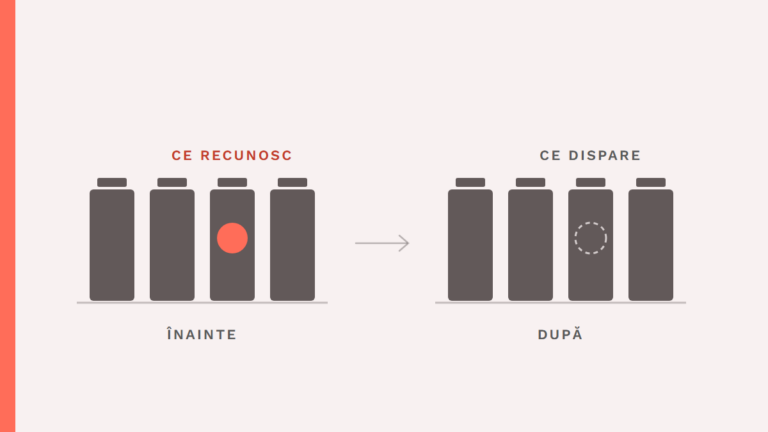
An insight is a truth about the client that they recognise at once when they hear it, but rarely tell you themselves. The Dove film shows one of the reasons.
When you ask someone to describe themselves, they give you the version with the flaws they know, because they have heard those from others all their lives. The woman who mentioned her jaw was repeating her mother’s phrase.
The same happens when you ask a client why they bought or what problem they have. They answer with the story they tell themselves about themselves, and that story can be harsher, more modest or just tidier than what they actually did.
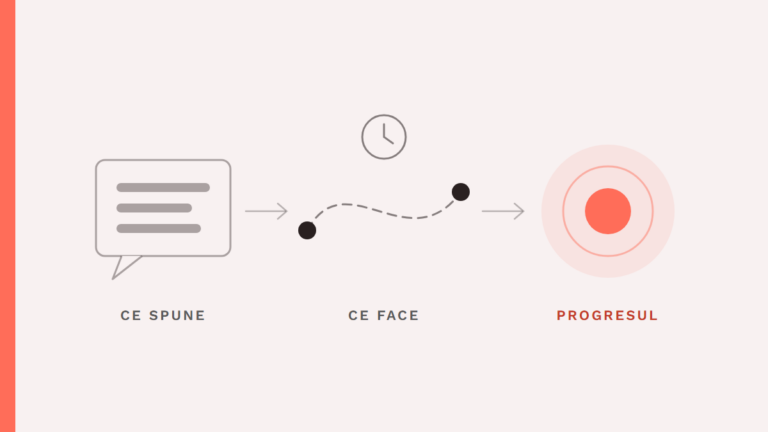
The rule I propose for this topic goes like this: “A good insight starts from what the client does and is then checked against what they say.” The witness in the Dove film is a source of observed behaviour.
I described the steps from an observation to a truth about the client in the article on the path from observation to insight. Here I look at the source of the observation and at why the client’s own statement is not enough.
4. The agency’s hypothesis and its limits
Anselmo Ramos, creative director at Ogilvy Brazil, told Fast Company that the team believed the women would describe themselves more negatively than a stranger would. He added that it was only a guess and that the experiment could have turned out completely the other way round.
For me, that detail matters more than the film. The agency had a written hypothesis and built a test that could disprove it.
The film also drew criticism, and one of the points is useful for anyone doing research. Avi Dan wrote in Forbes, in April 2013, that this campaign too focused too much on appearance, and that the women in the film were young, slim and mostly white.
His criticism shows the limit of any experiment like this: you choose who goes into the sample, and your choice colours the conclusion. With seven women chosen by the agency you can make a film, but for a conclusion about all women you need many more.
Limits and all, the film won the Titanium Grand Prix at Cannes Lions in 2013, the festival’s highest award, plus a Gold in the Integrated category. According to the agency’s figures cited by MediaPost, the film had 46.4 million views on YouTube and 1.9 million shares on Facebook.
5. How to use the method in your business
You can apply the idea without a forensic artist. You need two descriptions of the same thing, from two sources that do not know each other.
The first step is to ask the client how they describe their problem, then ask someone who has seen them deal with it. The witness can be a salesperson, a delivery driver or the colleague who answers their phone.
The second step is to ask for facts, as the women in the film were asked. The question “what did you do the last time you had this problem” brings more than “what do you think about”, because it keeps the person on what happened.
The third step is to put the two descriptions side by side and look for where they do not match. Where the client sees themselves as smaller than others see them, you have usually found something they would not have told you.
I have also written about what the client is looking for when they buy, and the method here fits that article. In the gap between the descriptions you see what progress the person is looking for.
The last step is to compare what you found with the hypothesis written beforehand, as at Ogilvy. If you did not note what you expect to find, any difference looks like a discovery.
What to take away
The client describes themselves with the phrases they have heard about themselves, and the description is usually harsher than what others see. Put what they say next to what a witness observes, then look for where they do not match. Write the hypothesis first, so you know whether you learned anything.
Brand Mentors
I work with companies through Brand Mentors
There I do brand strategy and consulting, starting from consumer psychology. You will find the services on brandmentors.ro.
Go to Brand Mentors