A company’s values become hard to copy when you tie them to decisions that cost money and are hard to reverse. Only then does a list of words start to work as a competitive advantage.
The clearest example I know comes from Patagonia, the American clothing and gear company. In 2022, its owners wrote their values straight into the ownership structure.
1. Written values get copied in an afternoon
Almost every company has a list of values, and the lists look more alike than their authors would want. Quality, trust and care for the customer show up almost everywhere.
A competitor can take your list, change two words and put it on their site by evening. It costs them nothing, and the customer who reads the text has no way to see the difference.
The difference shows up only in decisions. A value says something about a company when you see what the company gives up for it, especially when giving it up costs money.
For each value you write on your site, ask yourself a simple question. What does this value cost you, in money or in lost customers?
2. What Patagonia did in 2022
On September 14, 2022, in Ventura, California, Patagonia announced that the family of founder Yvon Chouinard had given away all ownership of the company. The press release said the company was “going purpose” instead of “going public.”
Chouinard founded the company in 1973. The press release speaks of nearly 50 years since the start of what it calls his experiment in responsible business.
The news reached the employees first, at a global all-company meeting held on the day of the announcement. Only after that did the Patagonia site say that Earth is now the company’s only shareholder.
Chouinard explained the decision in one sentence: “Instead of extracting value from nature and transforming it into wealth for investors, we’ll use the wealth Patagonia creates to protect the source of all wealth.” Right after, he added that the company was making Earth its only shareholder.
3. What the structure looks like
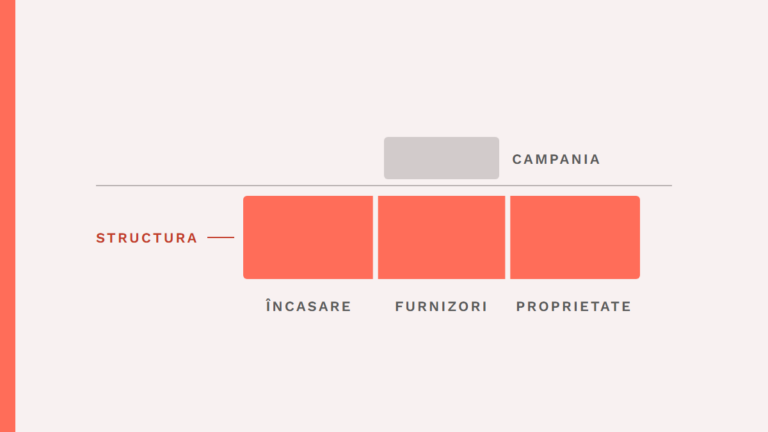
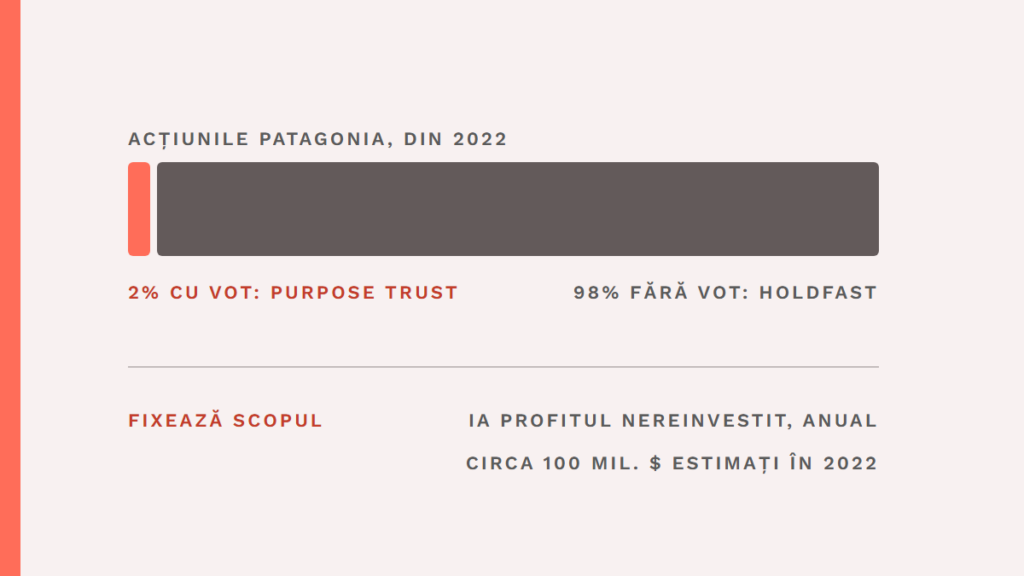
Ownership was split into two very unequal parts. The Patagonia Purpose Trust received all the voting stock, 2% of the total, and the Holdfast Collective received all the nonvoting stock, 98%.
The trust has a precise role, written in the press release. It exists to give the company’s purpose and values a more permanent legal structure and to make sure there is never a departure from the founder’s intent.
The Holdfast Collective uses every dollar it receives to protect nature and biodiversity, support communities and fight the environmental crisis. The money gets there through a simple rule: the profit the company does not reinvest in the business goes to Holdfast every year as a dividend.
At the time of the announcement, the company estimated a dividend of about $100 million a year, depending on how the business does. The amount goes up and down with sales, so Holdfast receives more only when the company sells well.
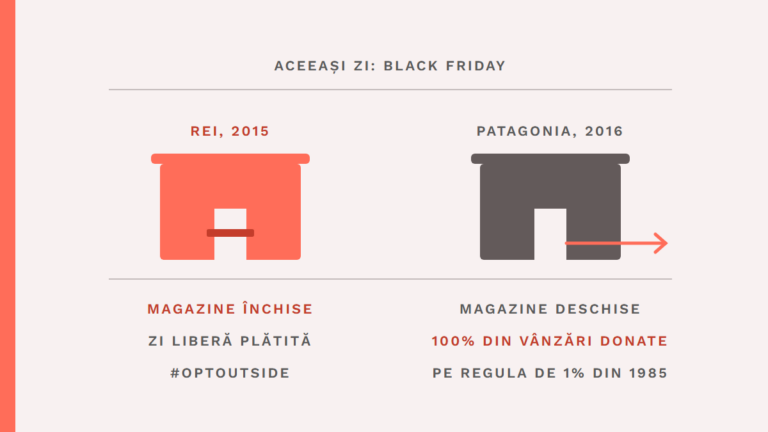
The rest stayed in place. Patagonia remains a B Corp and still gives 1% of sales each year to local activists, Ryan Gellert remains CEO, and the Chouinard family remains on the company’s board.
4. Why it is hard to copy
A competitor can write on their site tomorrow that they put the planet first. It is much harder for them to copy an ownership structure that obliges them to pass the profit on every year.
The first reason is cost. The company’s Wikipedia page notes a $17 million gift tax, paid for the transfer of the voting stock, and the annual dividend is money the owners gave up.
The second reason is that the decision is hard to reverse. The voting stock sits in a trust made precisely so the purpose stays the same, so a future CEO cannot change it in a single meeting.
The third reason is that the values show up in money every year. The dividend shows each time where the profit goes, and its amount changes with the company’s sales.
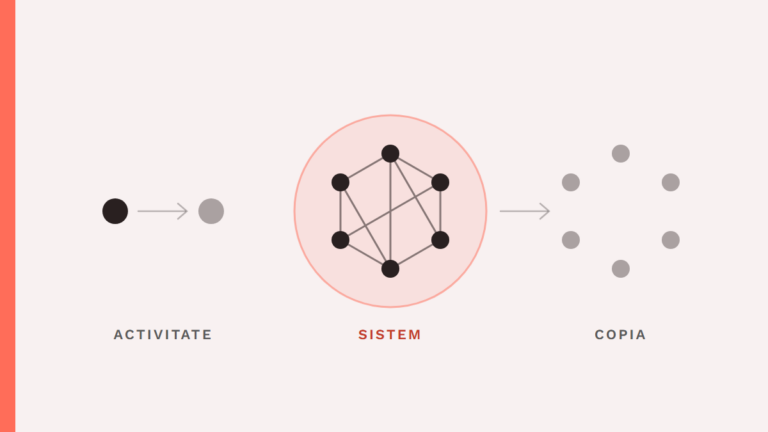
The rule I propose for this topic goes like this: “A competitor copies one of your activities easily. The way your activities hold each other up is hard to copy.”
At Patagonia, the ownership, the dividend, the 1% donation and the promise on the site hold each other up. I wrote about this logic in the article on activities and systems, and about the advantages that sit in the way a company is built in the article on structural advantage.
5. What you can do in a small firm
The idea works without a trust or a multimillion dollar dividend. You can do the steps below with a sheet of paper and a pen, in a quiet hour.
The first step is to write down the company’s values as they appear today on your site or in your client presentation. Next to each one, note a decision from the past year where the value cost you something: a client you turned down, a price you kept, a supplier you changed.
The second step is to cut the values that have no decision next to them. The ones left say more about you than the whole list, even if there are only two.
The third step is to move the decision into a place that is hard to change. It can be a clause in your client contract, a pricing rule you publish, a guarantee you pay out of pocket or a rule written into your articles of incorporation.
The fourth step is a test. Ask yourself what a competitor would have to give up to copy you. If the answer is “nothing,” your value is still just a word on your site.
What to remember
A value becomes hard to copy when it costs you something and when the decision is hard to reverse. Patagonia tied it to ownership, and a small firm can tie it to contracts, prices and written rules. The test stays the same: what would a competitor have to give up to copy you?
Brand Mentors
I work with companies through Brand Mentors
There I do brand strategy and consulting, starting from consumer psychology. You will find the services on brandmentors.ro.
Go to Brand Mentors