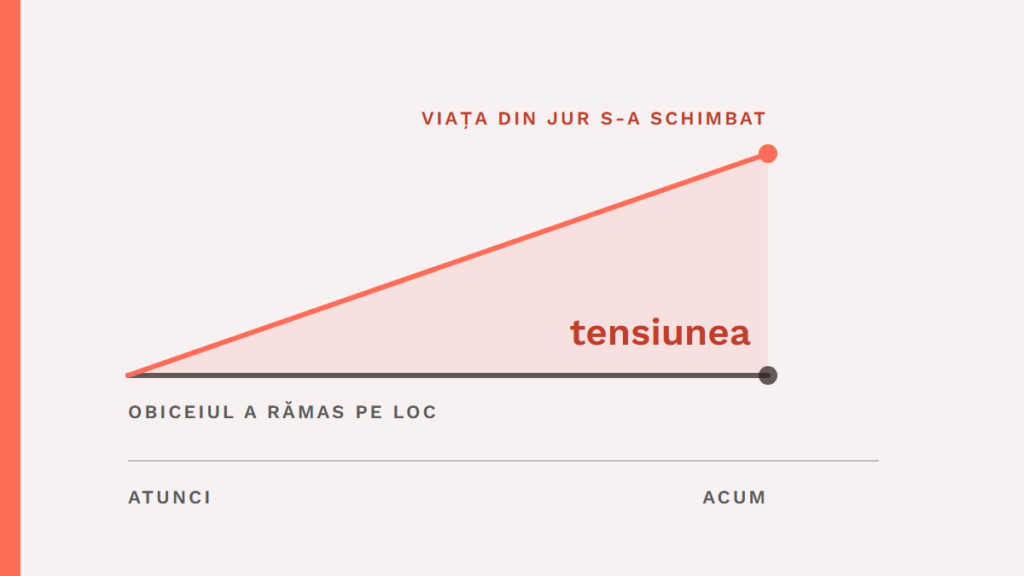
You find the tension behind a habit where an everyday gesture has stayed in place, even though the life around it has changed. That is usually where an insight sits: a discovery about the customer that explains a behavior.
A good example comes from India, from Ariel, the detergent brand owned by P&G. The campaign is called “Share the Load,” and the agency behind it is BBDO India.
1. The question a detergent asked
In 2015, Ariel Matic put the inequality between men and women at home on screen for the first time, with a simple question: “Is laundry only a woman’s job?” The question sounded strange coming from a detergent.
A brand in this category usually talks about stains, about white and about how little powder you put in the machine. Ariel talked about who starts the machine. In a WARC report from July 2017, the BBDO India team explains the choice this way: a point of view on people’s lives beat product differentiation.
2. Where the tension sits
The team started from an observation, an irony you see in many homes in India. Women gain more and more power outside the home, and men still expect their partner to do the chores after a full day of work.
The tension sits between the two things, both true in the same home. Josy Paul, chief creative officer of BBDO India, put a number next to it in an exchange4media article from February 2016. According to him, 70% of men in the country believe housework is a woman’s job.
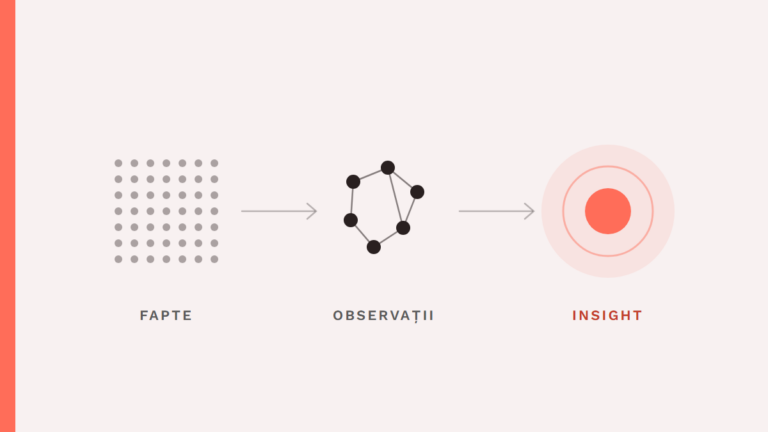
The number alone stays a fact, and the irony seen in homes stays an observation. I wrote about the road between them in the article from observation to insight. The insight appears only when you put them side by side and ask why the habit did not move along with women’s lives.
3. Where the habit comes from
In 2016, the campaign went one step further and spoke to fathers, with the question “Is laundry only a mother’s job?” Josy Paul said then that the bias passes from one generation to the next, because children learn what they see.
He also cited a study according to which 71% of children ask their mother to wash their clothes. The reason, in his words: they have never seen their father do it.
The 2016 film shows a father who understands that housework should be shared equally. According to exchange4media, it gathered over 3 million views in four days.
This move matters for anyone looking for an insight. The first campaign named the tension, the second looked for its cause, and the cause changed the person the brand speaks to.
4. A tension that asks for an action
The WARC report ties the campaign’s effectiveness to one precise thing: Ariel asked people for an action, a behavior beyond the purchase. The cause still stayed in the brand’s own yard, because both partners doing the laundry ties directly to the product.
The entry sent to the 2016 Kyoorius awards describes what came next. Ariel partnered with matrimonial sites, where being willing to share housework became a required field, and large brands and clothing designers took up the message. According to the same entry, over 1.57 million men pledged to share the load.
5. The numbers and who reports them
All the result figures below come from the agency, from award entries or from the trade press that picked them up. Read them as claims made by the people who ran the campaign.
The Kyoorius entry claims a 132% rise in unaided awareness in the first month. The same entry lists earned media worth $9.5 million: space in the press and on social networks that the brand did not pay for.
In July 2016, exchange4media ran a headline saying the film with the fathers had raised sales of the brand’s premium segment by 76%. In 2022, BBDO reported over 4 billion impressions and a 29% rise in sales.
The campaign won metals at Cannes Lions in 2015, 2016, 2017 and 2019. The first was a Glass Lion.
For you, a number outside the results matters more. In P&G surveys cited by BBDO in 2022, over 41% of men still believe laundry is a woman’s job, and 83% of women feel that men do not see them as equals. With a tension still alive after seven years, the campaign had something to say at every edition.
6. How to look for the tension in your company
You can use the method with a small budget too, without a film and without an agency. You need four questions, asked in order.
Start from a repeated gesture. Pick something your customer does often and almost without thinking: how they order, who pays, who decides, who takes care of things after the purchase. At Ariel, the gesture was who puts the laundry in the machine.
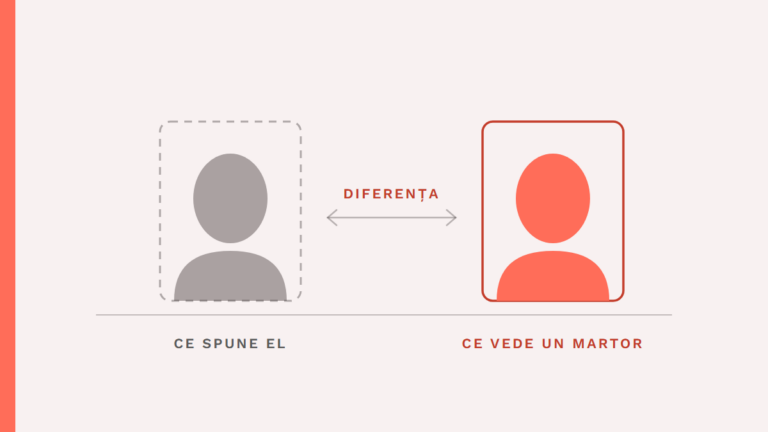
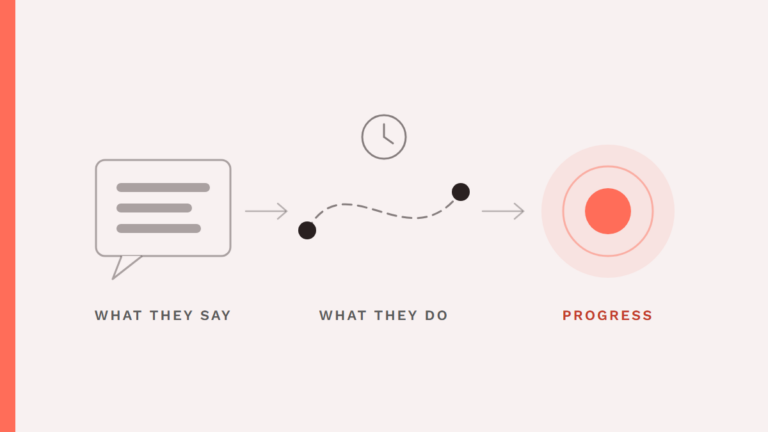
Put next to it what has changed around it. Ask what has moved in the customer’s life in recent years: money, time, roles in the family or in the company. For this part, it helps to separate what people say from what they do, as I showed in the article on what your client won’t tell you.
Look for where the habit comes from. A habit that survives a big change usually has an older root, learned at home, at a first job or from a first supplier. The root tells you who to speak to, just as Ariel moved from husbands to fathers.
Check whether the tension belongs to your product. Ariel could ask men to do the laundry, because laundry is the detergent’s business. If the tension has nothing to do with what you sell, the customer remembers the film and has no reason to buy your product.
The rule I propose for this topic goes like this: “A good insight starts from what the customer does and is then checked against what they say.”
What to remember
The tension behind a habit sits where the everyday gesture has stayed in place, even though the world around it has changed. Ariel named it, looked for its cause in what children see at home and asked for an action tied to the product. The success figures come from the agency, and the tension itself still showed in the 2022 surveys.
Brand Mentors
I work with companies through Brand Mentors
There I do brand strategy and consulting, starting from consumer psychology. You will find the services on brandmentors.ro.
Go to Brand Mentors