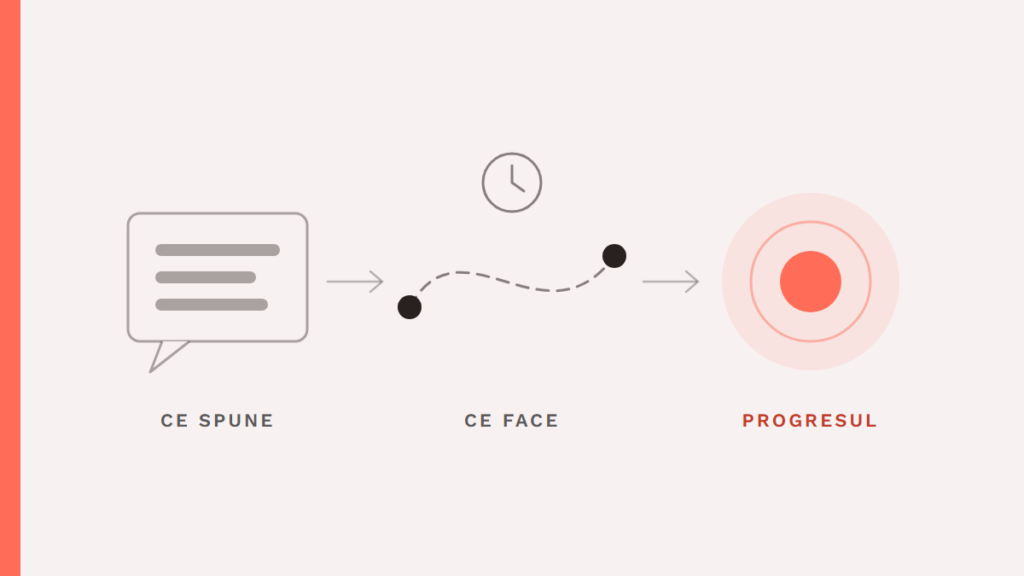
You find out what the customer is looking for by looking at the moment they buy: where they are, what is rushing them and what they used before. The question “what do you want from the product?” gives you a list of attributes.
The customer gives you the list in good faith, and you treat it like an order. That list can still send you in the wrong direction, as the two cases below show.
1. What the customer actually buys
Clayton Christensen, a professor at Harvard Business School, gave the idea a name: Jobs-to-be-Done, meaning the progress the customer is looking for when they buy. In his words, the customer “hires” a product to do a job in a particular situation.
On the site I put the idea this way: “Customers buy the progress they make with a product. The product is only the road.” The difference has a practical effect. The customer profile tells you who buys, and the job tells you why they buy now and what they would have bought instead.
2. The milkshake case
Christensen told the story in his MBA course, and Harvard Business School’s Working Knowledge publication wrote it up in February 2011. A fast-food chain wanted to sell more milkshakes, meaning thick drinks made of milk and ice cream. The company segmented its market by product and by the demographic profile of the typical buyer.
Then it asked people in that profile to describe the ideal milkshake: thicker or thinner, chunky or smooth, with fruit or with chocolate. People answered as honestly as they could, and the company changed the product according to their answers. Sales stayed flat.
3. What a day in the restaurant showed
A researcher working with Christensen spent a whole day in one of the chain’s restaurants. The researcher noted who buys milkshakes, at what time and whether they drink them on the spot. It turned out that 40% of milkshakes were sold early in the morning, to people on their way to work, who took them away.
The next morning the researcher spoke to them as they left. They had a long, boring drive and one hand left free. They were not hungry yet, but they knew they would be by 10 am and wanted something to keep them going until lunch.
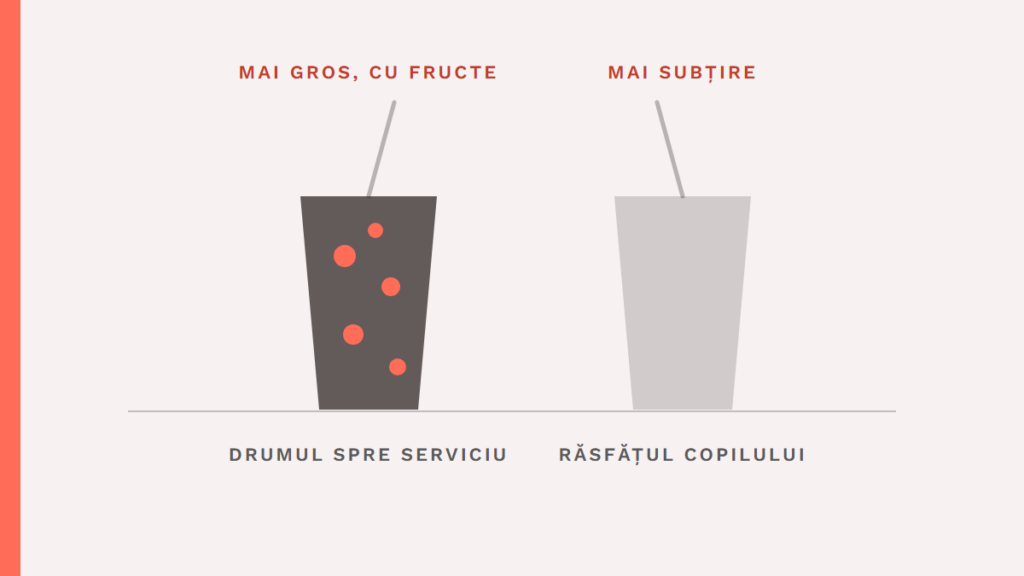
The milkshake competed with a bagel or a doughnut. It won because it did not stain office clothes, kept hunger away and lasted a long time, since a thick liquid pulled through a thin straw fills a long drive. With that job understood, the company could make a thicker morning milkshake, to last the whole drive, and a more interesting one, with pieces of fruit.
The same drink had another job, with other buyers: treating a small child. There, parents wanted a thinner milkshake that the child could finish without half an hour of waiting.
4. The This Girl Can case
The principle applies outside restaurants too. Sport England, a British government agency, had a measured problem: 1.79 million fewer women than men played sport regularly. The target was women aged 14 to 40.
Today the agency’s website lists four barriers: other people’s judgement, time, money and energy. The case study written for the IPA Effectiveness Awards names one of them as the barrier shared by all the women in the target: the fear of being judged. The This Girl Can campaign, launched in January 2015, spoke directly about that fear.
The study, published by WARC in October 2018, also gives the results, as reported by its authors. More than two million women became more active because of the campaign, and almost 250,000 started playing sport regularly. The gap with men fell from 1.79 to 1.55 million.
5. What the two cases have in common
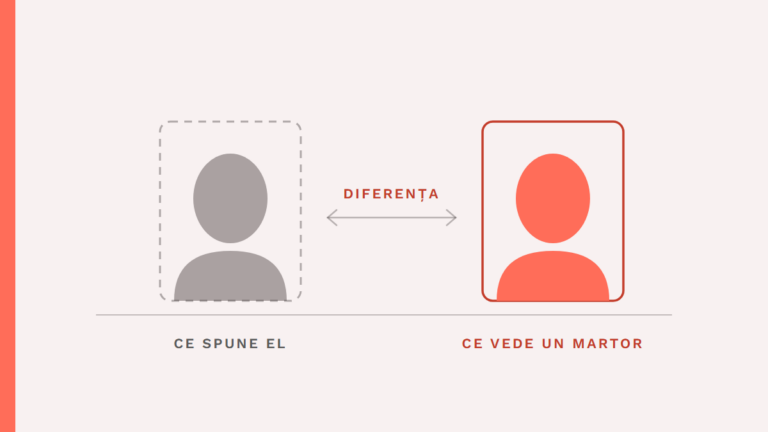
In both cases, the answer to the direct question described the product or the activity. Buyers described a drink, and its job was to fill a drive to work. The full answer came from the situation: the time, the journey, the free hand, other people’s eyes.
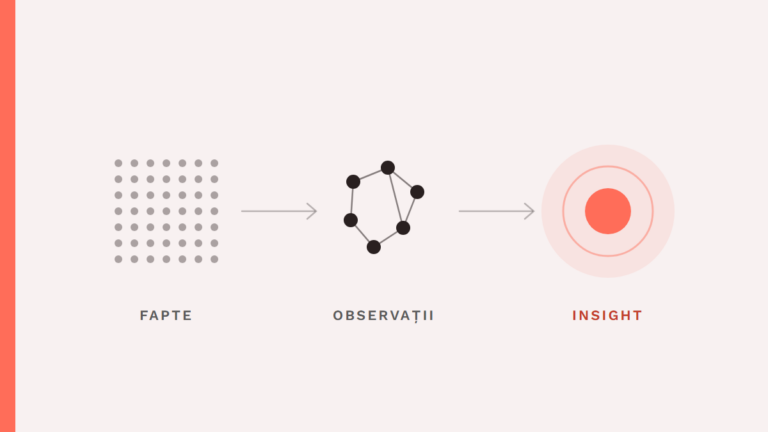
A good insight starts from what the customer does and is then checked against what they say. The steps from an observation to an insight are in the article on observation and insight.
6. Four questions for your customers
The questions come from the Jobs-to-be-Done interview, and you ask them about the last real purchase, with its date. A question about a specific day gets an answer about facts, while one about “usually” gets an opinion.
1. When did you first think about buying something like this?
You ask for the moment, with place and time, for example “Tuesday morning, in the car, on the way to the office”. The moment shows you the situation in which your product has a job to do.
2. What did you use before?
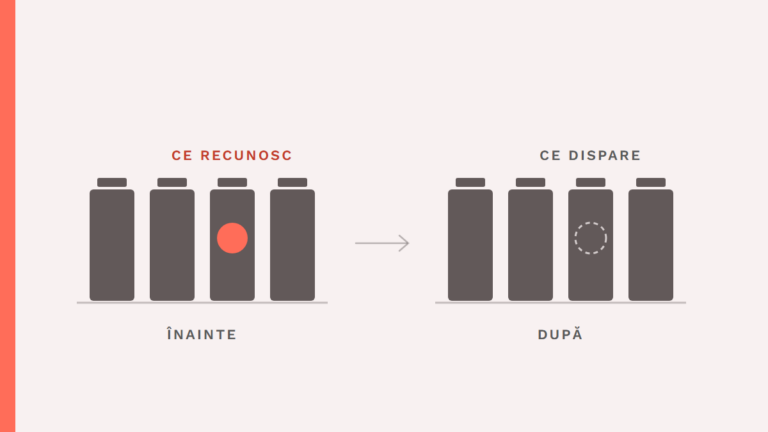
The answer gives you the real competitors, who may be in another category. For the milkshake, the competitors were the bagel and the doughnut, and for a service they may be an Excel spreadsheet or a friend who knows the subject.
3. What made you buy right then?
You are looking for the trigger: a change in the customer’s life or company. Without a trigger, the customer would have stayed with what they used before. For the milkshake, the trigger was the morning drive itself: the person left home not hungry and knew they would be hungry by 10 am.
4. What worried you before you paid?
The customer’s fear is as much part of the job as the desired result. At This Girl Can, the fear was the very insight the campaign was built on.
What to remember
The customer describes the ideal product to you in good faith, and the description does not tell you what progress they are after. You find the progress in the situation in which they buy: the time, the place, what they used before and what worried them. Ask the four questions about the last real purchase and note what the customer does separately from what they say.
Brand Mentors
I work with companies through Brand Mentors
There I do brand strategy and consulting, starting from consumer psychology. You will find the services on brandmentors.ro.
Go to Brand Mentors