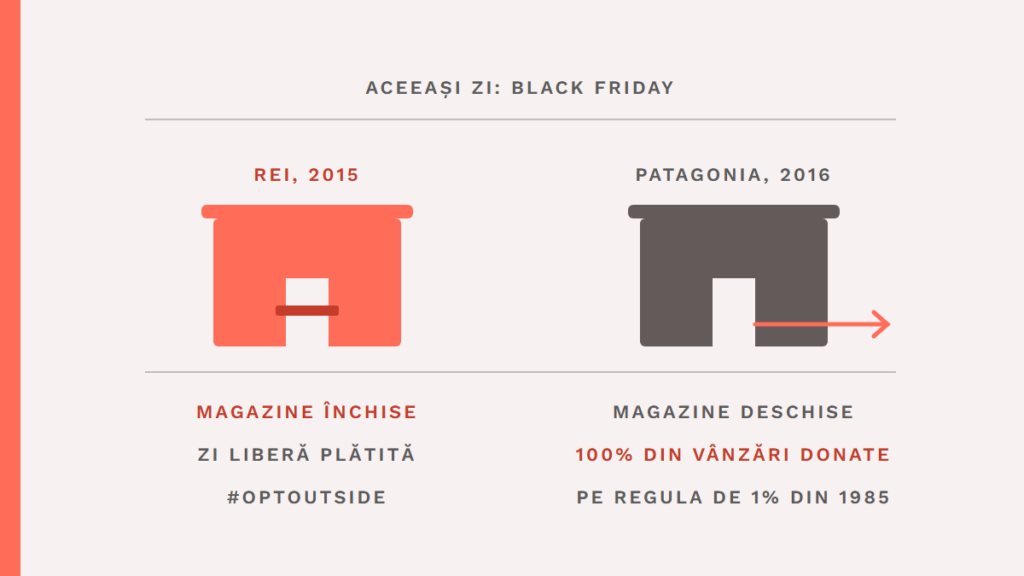
When you say no to Black Friday, you gain a position your competitors find hard to copy, because it would cost them one of the best sales days of the year. The refusal becomes a competitive advantage only under certain conditions.
The clearest example I know comes from REI, an American company that sells outdoor gear and services. In 2015, REI chose to sell nothing on the day all of retail waits for.
1. The day everyone copies
Black Friday is the Friday after Thanksgiving, and it counts as one of the most important shopping days of the year. It also opens the Christmas shopping season.
Discounts are the easiest marketing decision to copy, because a competitor sees your price in the morning and can beat it by noon. It costs them only margin.
When every company in a category cuts prices on the same day, the customer ends up comparing them only by the size of the discount. The one with the deepest pockets usually wins, and a small firm loses at a game it did not choose.
2. What REI did in 2015
On Black Friday 2015, REI closed all its stores and temporarily stopped processing online orders. All employees got a paid day off.
The decision had a cost, because Black Friday had traditionally been one of REI’s top ten sales days of the year. The company gave it up anyway.
Instead of discounts, REI launched the #OptOutside campaign. The campaign urged people to spend the day outdoors.
The company’s Wikipedia page describes REI as the first major American retailer to opt out of Black Friday operations. The same page notes that the initiative continued through the 2022 holiday season.
3. Why a co-op could afford it
REI was founded on June 23, 1938, in Seattle, by Lloyd and Mary Anderson, and it presents itself as a consumer co-op. Its owners are its customers.
Active members own the company after they pay a one-time $30 membership fee, valid for life. They vote for the board of directors and receive a “dividend” as store credit, which cannot be exchanged for cash.
The company’s Wikipedia page gives a figure of 24.5 million members. With the day off and the campaign, REI spoke to the very people who own the company.
A co-op that asks its members to go outside instead of buying states the reason it exists. The message fits the way the company is built, so it does not sound like a campaign trick.
4. Patagonia, one year later
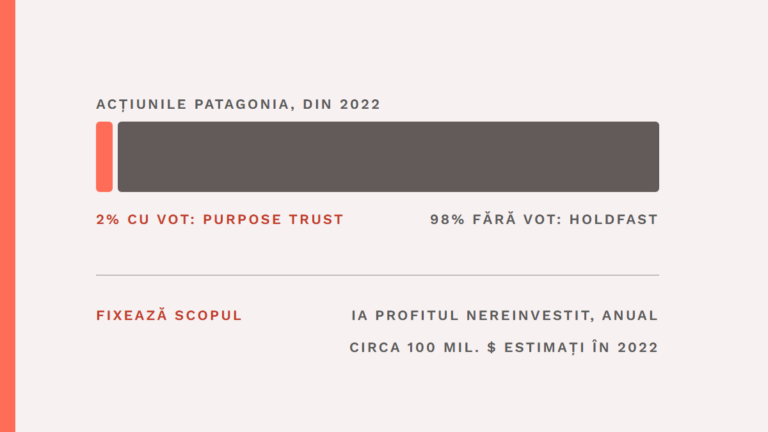
In 2016, Patagonia, an American retailer of outdoor clothing and gear, took a different road on the same day. The company kept its stores open but promised to donate 100% of its Black Friday sales.
CNN wrote at the time that the estimated amount was over $2 million and that it would go to small, local environmental groups. The money came from the company’s 80 stores around the world and from Patagonia.com.
The company’s Wikipedia page gives a total of $10 million for the 2016 pledge. The final amount went past the initial estimate.
The gesture tied into an older company rule. Since 1985, Patagonia has given 1% of sales to environmental groups, and CNN noted that this percentage, taken from daily sales, had come to $7.1 million in the last fiscal year.
5. Why it is hard to copy
The two companies answered the same day in different ways: REI stopped selling, and Patagonia sold and passed the money on. Both paid for the decision.
A competitor can also close its stores on a Friday, but the gesture costs it a good sales day and rests on nothing else in the company. Without the rest of the company behind it, the customer sees only a campaign.
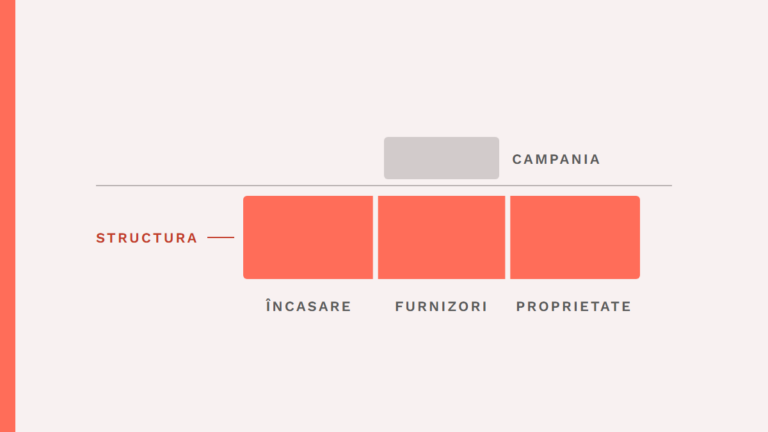
At REI, the refusal had behind it a co-op owned by its customers, a paid day off for employees and a campaign that sent people outside. At Patagonia, the 2016 donation continued a 1% rule more than 30 years old.
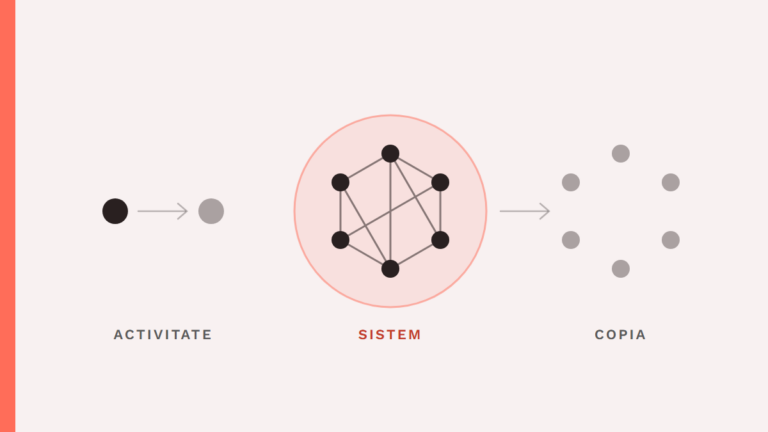
The rule I propose for this topic goes like this: “A competitor copies one of your activities easily. The way your activities hold each other up is hard to copy.”
I wrote about this logic in the article on activities and systems, and about the advantages that sit in the way a company is built in the article on structural advantage. At REI and at Patagonia, the same idea shows up in a single day on the calendar.
6. What you can do in a small firm
The idea works without millions of members or dozens of stores. You can do the steps below with a sheet of paper and a pen, in a quiet hour.
The first step is to find the moment when your whole category does the same thing: the seasonal sale, the start-of-year offer or the promotional package everyone has. Write it at the top of the sheet.
The second step is to note what you would gain if you refused that moment and what it would cost you, in money and in customers. A refusal that costs you nothing tells your customers nothing about you.
The third step is to tie the refusal to something that is already true about your firm. It can be the way you work with clients, a pricing rule you keep all year or a promise you pay for out of pocket.
The fourth step is to repeat the decision for several years in a row. A refusal repeated year after year becomes something your customers come to expect from you.
What to remember
Saying no to Black Friday becomes hard to copy when it costs you sales and rests on the way the company is built. REI tied it to a co-op owned by its customers, and Patagonia to a donation rule decades old. The test stays the same: what would a competitor have to give up to do the same?
Brand Mentors
I work with companies through Brand Mentors
There I do brand strategy and consulting, starting from consumer psychology. You will find the services on brandmentors.ro.
Go to Brand Mentors