AI can’t learn what your clients know without knowing they know it. Nobody wrote that knowledge down. It now separates a brand strategy that looks like the competition’s from one that doesn’t.
The idea comes from a Harvard Business Review article published on 13 October 2026 by Giovanni Gavetti, Hart Posen and James Siderius, professors at Tuck School of Business, together with Zia Zaman. I stopped mid-read: it names the part of the job no tool does for you.
1. Analysis is now within everyone’s reach
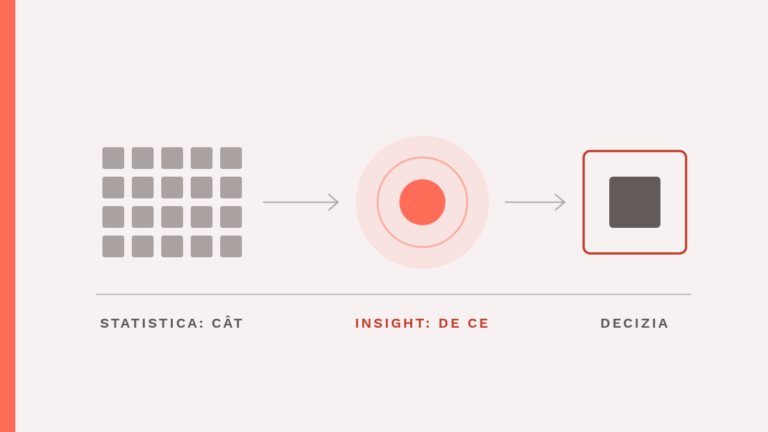
The authors start from something you can already see in the market. Every competitor now has the same AI analysis tools, the same strategy frameworks and the same large databases. So they reach similar conclusions.
Similar conclusions lead to similar moves. An advantage found this way doesn’t last. Your competitor finds it too, with the same tools, in the same month.
You still need a good market report, a competitor analysis and a list of segments. They no longer set you apart.
2. What “sticky” knowledge is
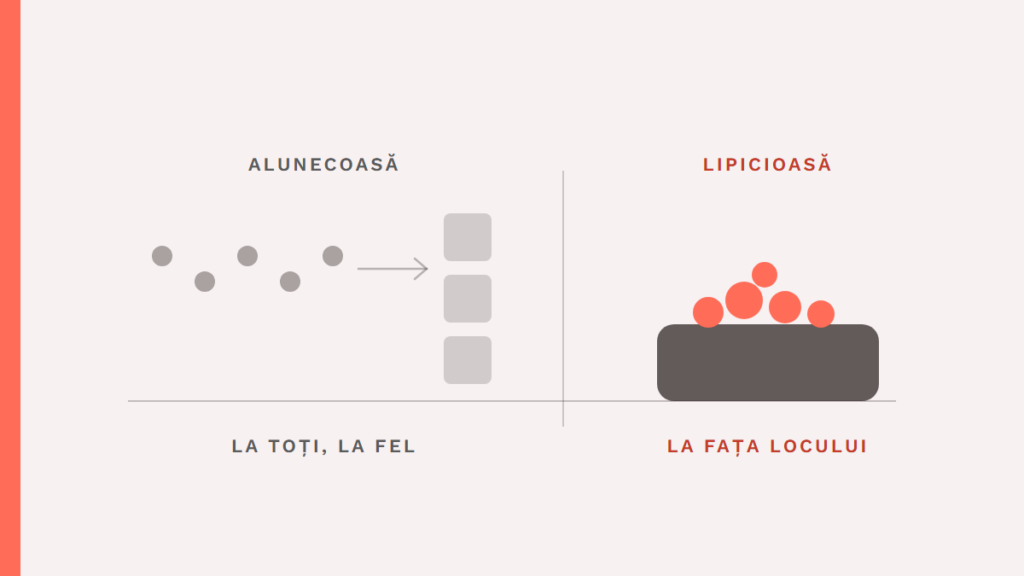
The authors split knowledge into two kinds. “Slippery” knowledge moves without friction: market data, financial ratios, industry benchmarks, purchase intent measured in surveys.
“Sticky” knowledge resists transfer. The term comes from the researcher Gabriel Szulanski. The authors show that this resistance has three sources, and each one calls for a different kind of work.
The first source is motive. The person who knows something has no reason to tell you until there is trust between you.
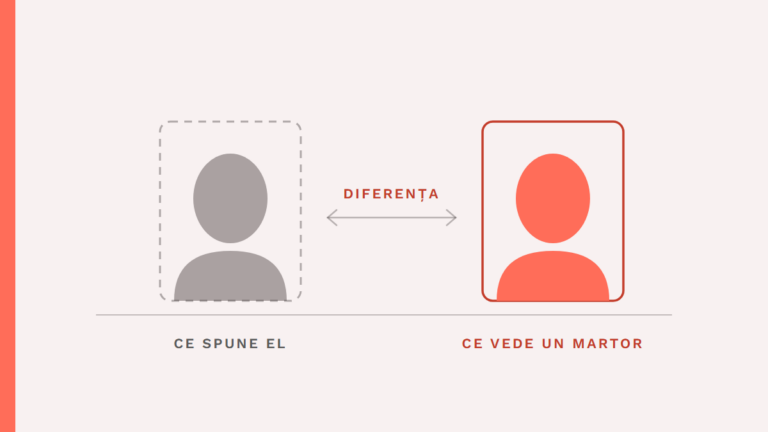
The second source is the nature of the knowledge: complex and often tacit. People know more than they can put into words. Ask them directly and you get a polite, empty answer.
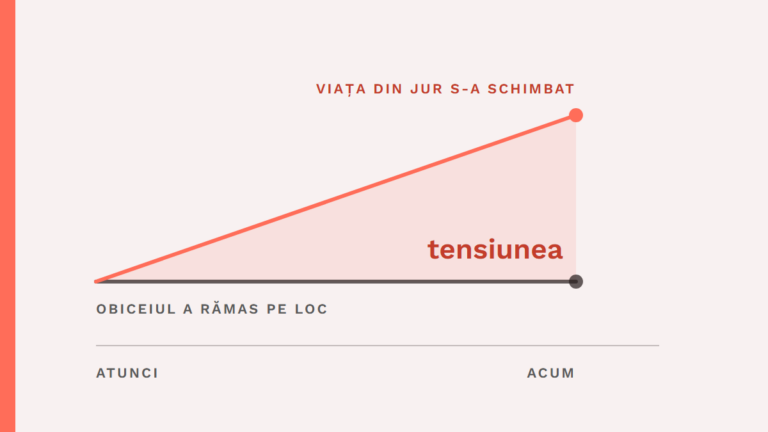
The third source is context. What works in one market may not work in another, because of how people live there.
3. Three cases, three kinds of friction
In 1983, Howard Schultz was working at Starbucks and went to Milan on a buying trip. The authors say he saw there, in the espresso bars, what no number from the American market showed: coffee belonged to a place and to a daily habit.
In December 1979, Steve Jobs visited Xerox PARC, where its researchers showed him the graphical interface they had built. The authors note that he got in through his relationship with Xerox executives, an investor in Apple at the time. The engineers saw an elegant prototype. Jobs saw in the same interface a computer anyone could use.
The MetLife case is the closest to brand work. According to the authors, the insurance offer that worked in the United States didn’t take off in Japan in the early 2000s. The company needed two years of ethnographic research to find out why: long observation, inside people’s lives. Zia Zaman, one of the authors, led the effort as MetLife’s chief innovation officer at the time.
People in Japan feared becoming a burden to their children. Loss wasn’t the issue. They wanted a long life, lived with independence, health and dignity. That insight led to 360Health, a programme launched in 2018 that, according to the authors, helped the company grow.
4. Why AI doesn’t get there
Sticky knowledge is tacit. Even the people who have it don’t write it down. It is also tied to a situation that may never repeat, so models have nothing to learn from.
The authors’ conclusion I find most useful: this advantage grows as the models get better, because analysis keeps getting cheaper and more alike for everyone.
The MetLife case also shows why a survey would not have found the answer. The people asked didn’t think in those terms. There was nothing for them to tick. I wrote about the gap between what clients say and what they do in the article on what your client won’t tell you.
5. How I look for this knowledge
The method I use at Brand Mentors is built for what isn’t in the data. The first step is an open interview with the founder, a free conversation about the person and what they want from the business. A tick-box questionnaire misses the real motives. They rarely come out under fixed questions.
The second step is Jobs-to-be-Done research: the progress clients are after when they buy. I ask clients what pushed them to look for something new, what other options they weighed, when they decided and what they feared.
The third step goes from data to information and from information to insight. I run each candidate insight through four criteria: relevance, timing, originality and feasibility. If it fails one, I don’t build a positioning on it.
MetLife shows why the second step matters. One of my working positions says: “Clients buy the progress they make with a product. The product is only the road.” In Japan, insurance was the road. The progress people wanted was a long old age in which they didn’t become a weight on their children.
6. What you can do in your business
The first step is to move time from meetings to clients. The authors say presence has a cost: hours spent in shops, in factories or in clients’ lives are hours taken from analysis. I repeat one rule: “One hour with five real clients tells you more than a day of brainstorming in a meeting room.”
The second step is to match the kind of work to the kind of friction. Where people don’t want to tell, you build relationships over time. Where they can’t tell, you watch them and try small things. Where everything depends on context, you stay in that context until you understand it.
The third step is to let AI do what it does well. It can sort notes, summarise interviews and look for patterns in what you’ve gathered. The authors say it even helps with recognition. Finding and judging stay with you.
What to remember
When everyone has the same analysis, the difference comes from what clients know without saying it. You find that knowledge on the ground, if you know what to look for. If a competitor could reach the same conclusion with the same tools, you don’t have an insight yet.
Brand Mentors
I work with companies through Brand Mentors
There I do brand strategy and consulting, starting from consumer psychology. You will find the services on brandmentors.ro.
Go to Brand Mentors