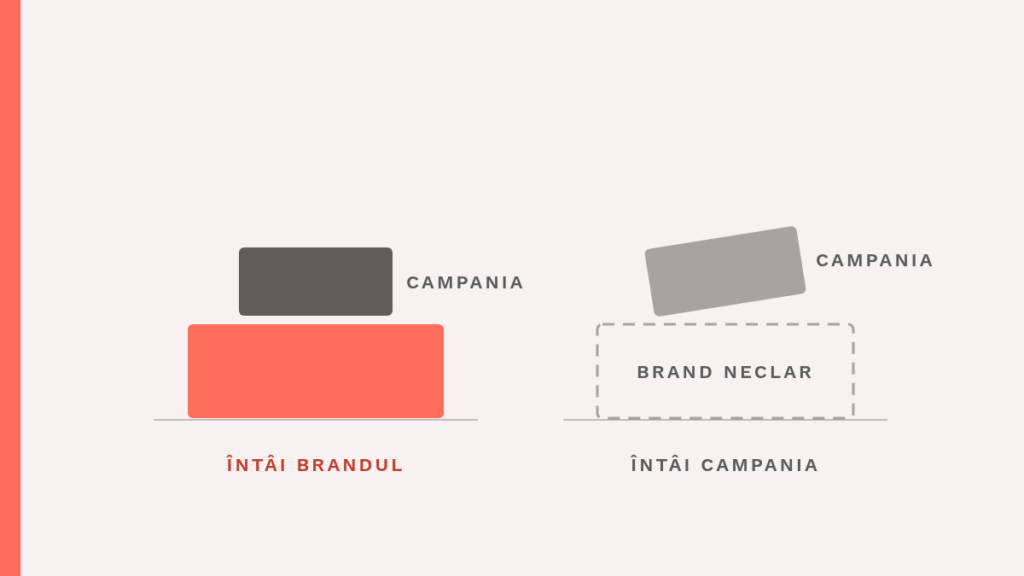
When you start with the campaign, you learn only after launch what place your brand held in clients’ minds, and by then every mistake shows in public. Marketing calls that place positioning.
Coca-Cola went through this in 1985 with its best-known product, and needed 79 days to reverse course. The company tells the episode itself, and the facts below come from its page.
1. What Coca-Cola changed in 1985
On 23 April 1985, The Coca-Cola Company announced a new formula for its main drink, the first formula change in 99 years. The drink quickly earned the nickname “new Coke”.
The company had a reason it could show in numbers. On the United States market, its largest, its share lead over the main competitor had fallen for 15 years in a row.
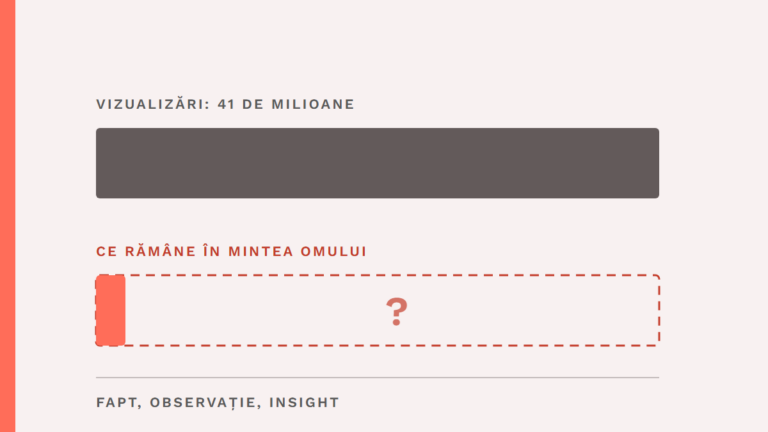
The new formula had won taste tests run with nearly 200,000 consumers. With a figure like that on the table, the decision looked safe to anyone reading it in a report.
2. What happened after the announcement
By June 1985, the company’s consumer hotline took 1,500 calls a day, up from 400 before the change. People formed protest groups, and some stockpiled the old drink.
On 11 July 1985, the original formula returned to the shelves under the name Coca-Cola classic. The company writes that the return also brought a wave of calls, this time from people who backed it.
Ten years later, in 1995, Roberto Goizueta, then the company’s chairman, presented the episode as an example of taking smart risks. I read the story as a problem of step order.
3. What the tests could not measure
The company explains on its site what the tests missed: the bond consumers had with their Coca-Cola. A taste test (blind test) puts two glasses in front of you and asks which you like more. About what you feel when someone takes away the drink you knew from childhood, the test has no question.
The team asked a product question: which formula wins on taste. Clients answered a brand question: what does Coca-Cola mean to me? The company learned the second answer from the phone, after the announcement, when the change was already on the shelves.
The company page also notes an effect of the uproar. Suddenly everyone talked about Coca-Cola and saw what role the drink had in their life.
The trap is the same for any founder who decides from reports: a correct figure on a narrow question gives you confidence for a wide decision. The test measured taste, and the decision touched the whole brand.
4. Why the order of steps matters
The rule I hold in front of every project is short: “A brand gets clear before any campaign.” Clarity means you know what the client buys from you beyond the product, and what you must not touch when you change something.
For a firm of ten people, clarity fits in a few pages: who you sell to, what the client compares you with, what you promise, and by which signs they recognise you. The team reads those pages before it asks for a campaign, and the agency gets them with the budget.
The reverse order looks like this: you change the product or run the ad, then learn from the reactions what the brand meant to consumers. You pay twice, once for the campaign and again for the repair. A campaign without a clear brand is paid noise.
Coca-Cola had the money and the name it needed to fix the mistake in a single summer. A small firm, with a year’s promotion budget put into one campaign, rarely has a second try.
5. Three questions before you change something
Before a new formula, a new pack or a large campaign, put three questions on the table. You get the answers from clients, and the team checks them against the figures afterwards.
What does the client buy beyond the product? Ask long-standing clients why they stayed with you, and listen above all to their stories. Answers about habit, trust or a memory show the part of the brand a competitor copies with difficulty.
What stays the same, whatever you change? Make a list of the signs by which clients recognise you: the name, the taste, the colour, the way you answer the phone. Everything on the list goes into the campaign untouched, and the rest you can discuss.
Who loses something when you change? A new formula, a new pack or a new price takes something from someone, even if the test says the new version is better. Find who those people are before you announce, while you can still listen without the press in the room.
For all three, the method is the same: “An hour with five real clients says more than a day of brainstorming in a meeting.” Brainstorming, the meeting where the team brings ideas, gives you people’s opinions about clients. An interview with a loyal client tells you what you would lose if you changed.
6. What this looks like in a small firm
Say you run a neighbourhood pastry shop and want to grow sales with a social-media campaign and a new cake recipe that costs less to make. The recipe passes the tasting with friends and the team. Clients who have come for years look for the cake they know, and in the ad you show them another.
Before the ad, ask a few of those clients for ten minutes at the table, with a coffee on the house. If most say they come for the old taste, you have learned what you must not change before you spend the first leu on advertising.
The campaign can start after that, with a clear sentence about what stays the same and what is new. Long-standing clients learn from day one that their cake stays, and new ones get a reason to walk in.
What to keep
Coca-Cola changed the formula on the back of taste tests and learned only after the announcement what the brand meant to its clients. Brand questions get answers before the campaign, or clients ask them after launch, in public. A few hours with long-standing clients cost less than a summer of repairs.
Brand Mentors
I work with companies through Brand Mentors
There I do brand strategy and consulting, starting from consumer psychology. You will find the services on brandmentors.ro.
Go to Brand Mentors