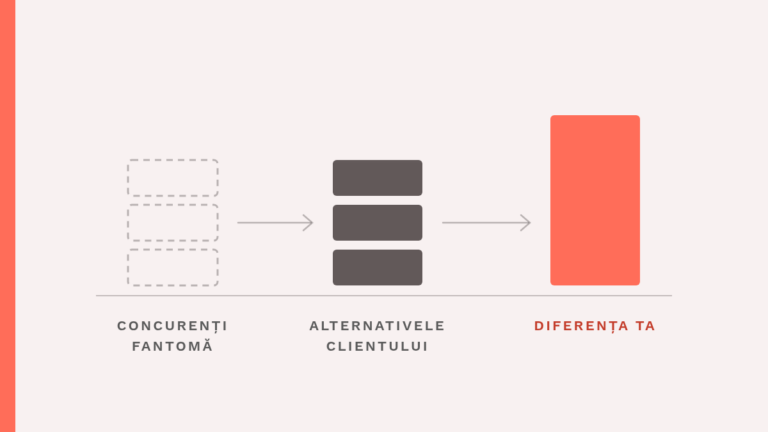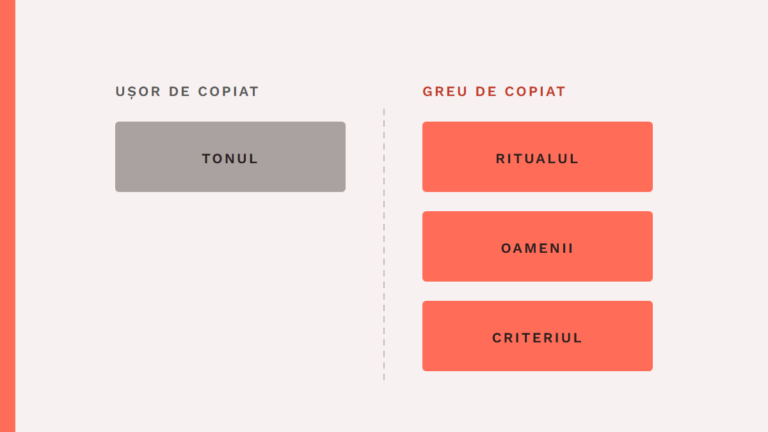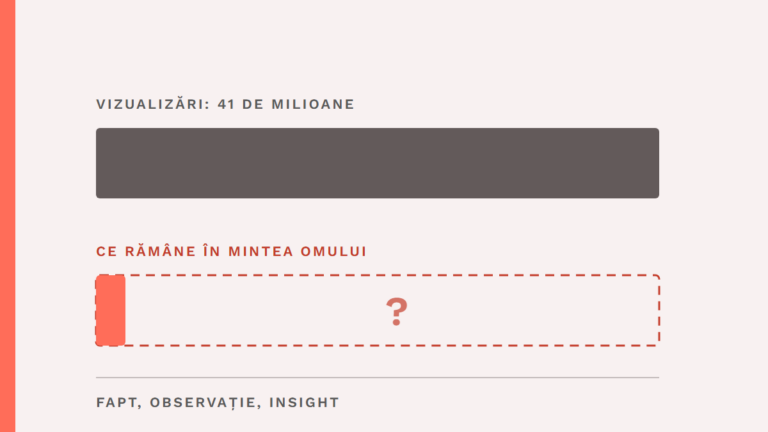
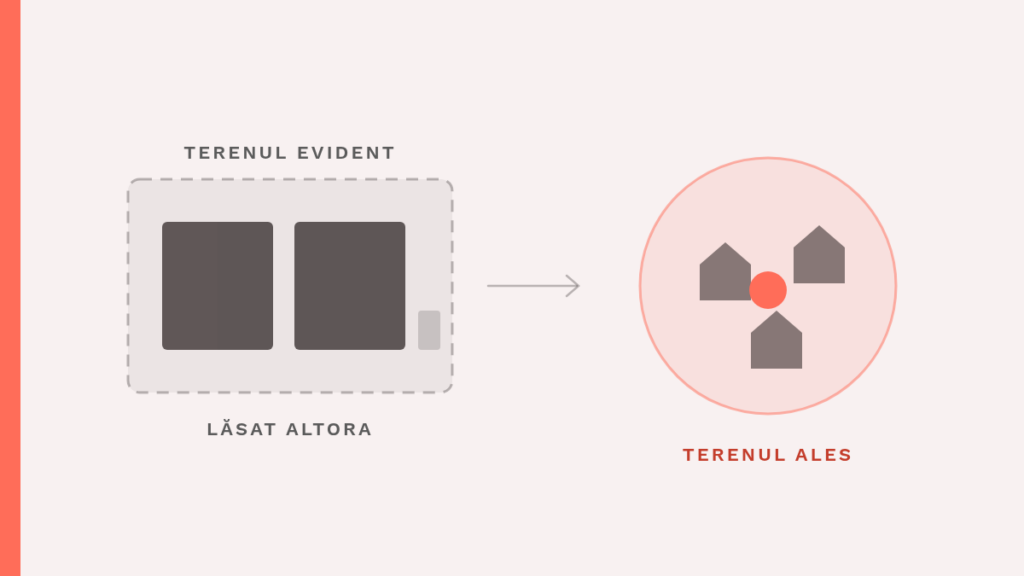
When you choose your positioning, the place your brand holds in the client’s mind, the first decision is the ground you leave to others. Only on the ground that remains do you build your promise.
Most talks about positioning start with the rival you want to beat and the line you use to introduce yourself. I start with the reverse question, because the list of people you leave behind shows faster where you can win. The case below belongs to an American car-rental firm that grew for decades away from airports.
1. A small firm next to Hertz and Avis
Jack C. Taylor founded the firm in 1957 in St. Louis under the name Executive Leasing Company. The Enterprise name arrived in 1969, after the aircraft carrier USS Enterprise, on which Taylor had served in the Second World War.
In 1962, Taylor handed Don Holtzman, his assistant, the short-term rental division. According to the company history published by Funding Universe, Holtzman saw that his small firm could not compete with Hertz and Avis. So he looked for a niche far from airports.
The airport was the ground anyone would have picked. Business travellers sat there, better margins sat there, and two rivals with known names sat there, and a new firm walked in as the third option at the counter.
2. The client who stayed after the airport left
Holtzman found the client elsewhere. Insurance agents needed rental cars for clients whose cars had been damaged or stolen.
This person is not leaving on holiday and has no plane ticket. They need to reach work tomorrow morning, and their car sits in the shop, so they need a car near home, fast, without a long trip to a counter.
In the early 1970s, Enterprise persuaded garage and body-shop owners to send their clients its way. The insurance agent and the mechanic became the firm’s sales channel. Both saw the person without a car before anyone else and knew what they needed.
Look at the gap between the two clients, because the whole choice sits there. The traveller at the airport picks among known firms at the counter, bag in hand. The person with a car in the shop can listen to whoever took their claim or their car, so the firm wins if it convinces that person.
3. The slogan came after the choice
Also in the early 1970s, a branch manager in Orlando started picking clients up at home and driving them to the rental office. His move answered exactly the problem of the person left without a car.
Enterprise put the line “We’ll pick you up” into ads from 1994 and registered it as a trademark. Between the niche choice and the slogan, more than three decades passed.
That order matters for any founder who prepares a campaign. The ad described a habit the branches already had, and the client could check the promise the next day. I put it in the line I stand by: “A brand gets clear before any campaign.”
4. What the choice cost and what it brought
When you leave the airport, you give up the clients who pay best in your category. The company history notes that Enterprise long avoided the travel segment, the one with higher margins and the most competition.
In return, the firm took ground rivals treated as an annex. In the 1990s, Enterprise reached as much as 50% of the American off-airport rental market, according to the same history.
Only in 1995 did Enterprise open its first airport office, at Denver International Airport. A year later, in 1996, it passed Hertz in cars and offices in the United States, so it entered rivals’ ground with a network built elsewhere.
5. How you choose who you leave behind
The steps below come from the logic of the case. You can work them with your team in one afternoon, with a sheet of paper and notes from the latest talks with clients.
Write the obvious ground. Every category has the place everyone goes to, as the airport was for rentals. Note who dominates there and what you need to enter, meaning the points of parity of that ground.
Find the client the obvious ground does not serve. The person with a car in the shop existed before Holtzman looked for them. Ask what situation your client is in and where the crowded-ground offers leave them hanging.
Check who already pays for the problem. In the Enterprise case, the insurer paid for the replacement car, and the garage saw people without a car every day. A niche chosen only to stay away from rivals, with nobody who pays, leaves your firm alone on empty ground.
Tell the whole team what you no longer chase. An office near the client’s home and a counter at the airport need different people, hours and fleets. If your team does not know which grounds you left to others, it will chase every request and build two half-firms.
6. Where the choice breaks
The first mistake shows up when you leave a ground on paper and keep chasing it with discounts and special offers. The team then works on two fronts, and the client no longer sees why they pick you.
The second mistake shows up when you write the introduction line first and only then look for the client who fits it. Positioning starts with the alternatives you leave behind, not with the slogan you write.
Enterprise did enter the airport in the end, so ground left to others does not stay closed forever. The firm chose the moment when it already had the network and the name, so it could walk in on its own feet.
What to keep
You choose positioning first through the ground you leave to others, and only then through how you describe yourself. Find the client the crowded ground does not serve and check whether someone already pays for their problem, and write the slogan last, when it describes what you already do.
Brand Mentors
I work with companies through Brand Mentors
There I do brand strategy and consulting, starting from consumer psychology. You will find the services on brandmentors.ro.
Go to Brand Mentors