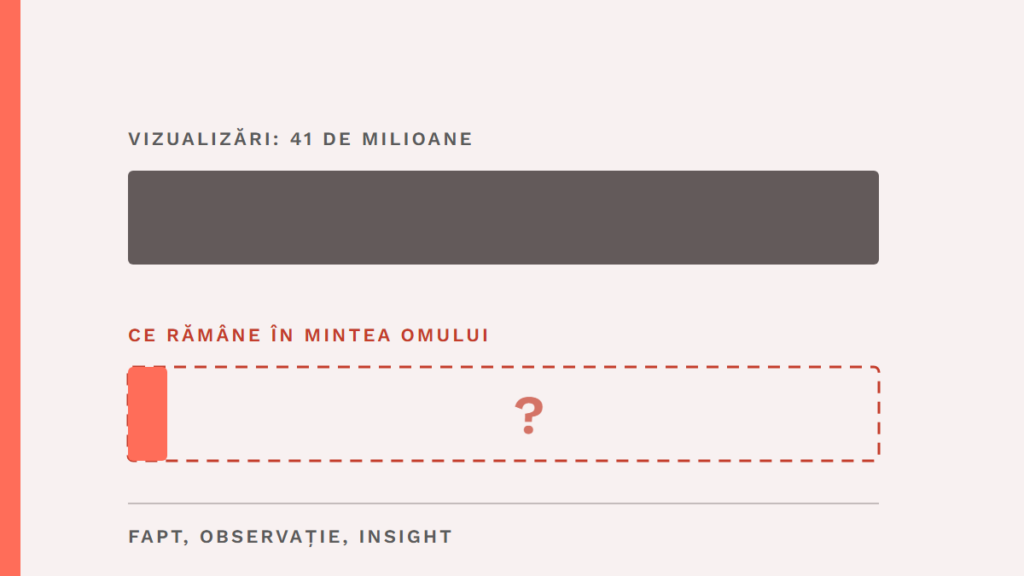
Nothing may remain from 41 million views. The figure is a fact: it shows how much a video was seen, not what stayed in the mind of the person who saw it.
The story comes from the “Frontier CMO” report, published by Google on the basis of the podcast of the same name. Read it as a source that sells AI and YouTube. The figures below are claims by the companies and the guests, with no public methodology, written the way the report attributes them.
A Short with 41 million views
According to the report, the creators Colin Rosenblum and Samir Chaudry posted a Short (a short vertical clip) on YouTube that gathered 41 million views. On paper it was a triumph, but a week later, Rosenblum says in the report, they looked at each other and asked an uncomfortable question: “Will anyone remember this video?” The answer was no.
The figure counts glances; memory stays outside it, because no view counter measures what a person remembers after a week.
The same question led to a change of measure. The two dropped the raw number of views and chose another measure, which they call “memorable minutes”, according to the report. They say about half of their audience comes from YouTube on internet-connected TVs, where long episodes are watched for 48 minutes on average without a break.
Fact, observation, insight, applied to a video
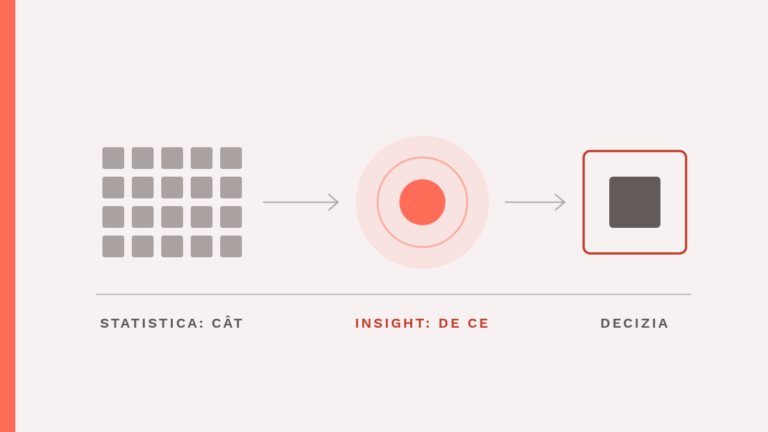
An insight is a discovery about the customer that explains a behaviour. The difference between fact, observation and insight can be applied to the case above.
The fact: 41 million views, a number you read straight from the channel’s statistics. The observation: after a week, the two creators answered that nobody would remember the video, which describes a behaviour of the audience without saying why it appears.
The insight would be the reason. One possible reading of their move: the audience keeps the time spent with someone they get to know. That reading is a hypothesis the report does not state, so you can challenge it.
The move is clear: from “how much was seen” to “what remained”.
The brand, a guest at someone else’s party
The report says brands still treat creators as media space, even though creators know their community. Chaudry compares a creator’s channel to a party thrown for their own audience. The brand must be, in the report’s words, a “worthy plus-one”.
For an entrepreneur, the idea demands a choice from the start: do you buy a spot in a video, or do you join a conversation that already exists, in a community built by someone else? The first case is a media expense, the second is a relationship, with its own rules. The host knows the rules.
Vaseline Verified: the brand that joined the community
Leandro Barreto, Unilever’s global marketing director, told Frontier CMO that the Vaseline Verified programme has reached about 300,000 creators, mostly organic. The figure comes from the report. No confirmation was found in Unilever’s public sources or in the marketing press, so it remains Barreto’s claim.
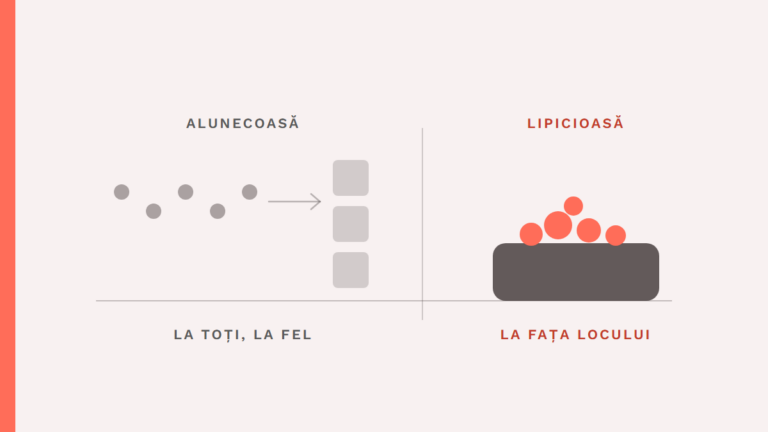
The beginning can be checked. On a Unilever page dated 13 July 2026, the company describes the 2025 launch: Unilever scientists tested Vaseline hacks that were already circulating on social media. The ones that worked received a seal of approval, and Vaseline amplified the voices of the creators and of the communities where the hacks had appeared.
The community existed. The brand took what people were doing with its product and verified it. In the report, Barreto adds that only after that did creators start proposing ideas of their own.
What the two cases show together
The starting points differ. Colin and Samir started from a fact that stopped telling them anything. Vaseline started from an observation: hacks with the product were already circulating on social media, for a brand used for over a century, with a community that existed before the brand noticed it.
What joins the two stories is the question that comes after the fact: what does the person remember, and why? For the creators, the answer led to memorable minutes. For Vaseline, it led to a seal that recognised other people’s work.
A campaign report usually counts impressions and clicks. They are useful facts, but they stay on the first step. To move from them to the reason behind them, read how to get from an observation to an insight and what your client won’t tell you.
Three questions before you pay a creator
The report advises marketing directors to stop asking for creator budgets based on views. Instead it asks for a dashboard that links memorable minutes to search demand and to sales velocity, over the same period. Below are three questions along the same line.
1. What are people already doing with your product, in public? Start with what exists. 2. What would someone remember a week later? If the answer is “the brand name”, you have a fact. If it is “how it made me feel”, you have the start of an insight. 3. Who in that community can correct you? A creator who knows their audience tells you what does not work before you pay for them.
What to take away
Views count glances. The insight says what remained of the content and why. A brand that wants to stay in the mind joins a community that already exists and starts by checking what people do there, before asking for attention for its own message.
Brand Mentors
I work with companies through Brand Mentors
There I do brand strategy and consulting, starting from consumer psychology. You will find the services on brandmentors.ro.
Go to Brand Mentors