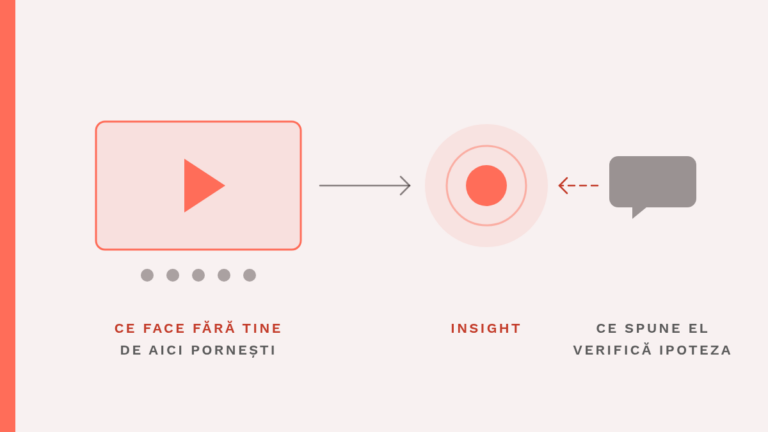
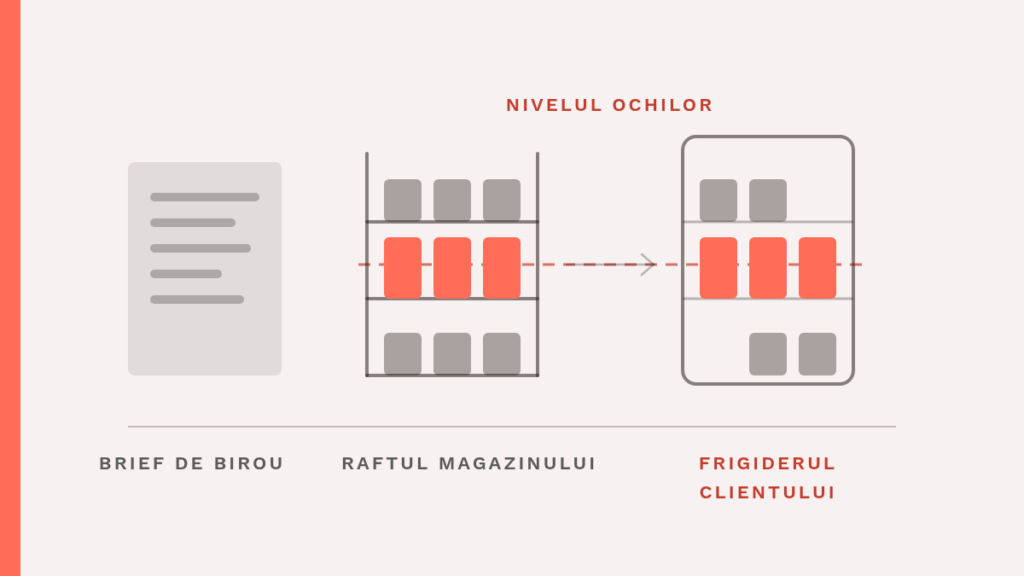
Field observation beats the briefing on the day it shows you a customer gesture that nobody wrote in the document. The briefing is the sheet through which a company tells its agency what problem it has and what it expects from the campaign. The sheet describes what the firm believes about its customers.
The field shows you what the customer does. Today’s case comes from retail, has a fridge at its centre, and starts from knowledge that a shop uses every day, from opening to closing, without giving it another thought.
1. What Lidl Romania did with the fridge
On 28 April 2025, Revista Biz announced a new chapter in the Lidl Romania campaign against food waste, called “Shopping în frigider” (shopping in your fridge). Lidl worked with MRM, part of McCann Worldgroup Romania, and asks people to look in the fridge before they go shopping.
The ads treated products already bought as offers, with a price of “0 lei extra”. Every shopper knows the mechanism. You have seen it on the price labels in any shop, only now the label sits on your yoghurt, which you paid for last week.
The second step was a guide to organising the fridge, built on the shop’s merchandising logic (the way you place products on a shelf so they sell). Lidl made it with Mădălina Preda, president of ACOP Romania. The guide proposes five principles through which order in the fridge reduces waste.
In the entry filed at Golden Drum under the name “Shop Your Fridge”, the agency MRM Romania names three of the techniques: products at eye level (Eye Level Strategy), priority shelves (Priority Shelves) and stock rotation (Stock Rotation). You recognise them from any supermarket.
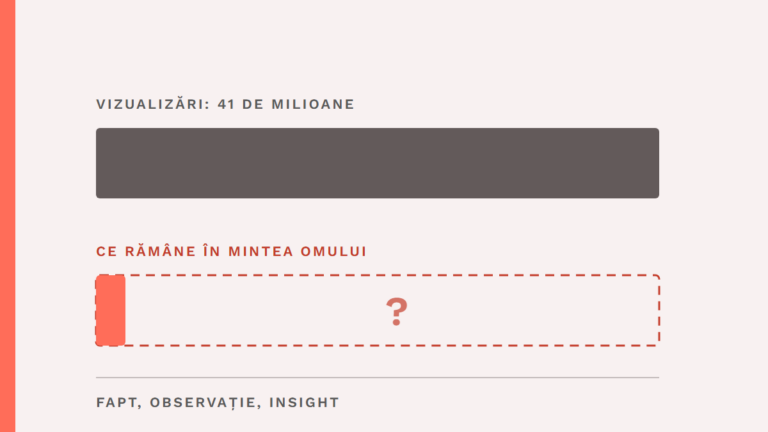
2. The fact, the observation and the insight
The fact to start from is a figure: according to European Union and UN data cited in the Lidl announcement, a person in Romania throws away 129 kilograms of food a year on average. The figure tells you how much is lost. It does not tell you why.
The observation comes from the kitchen, and you recognise it at home, on the first evening you open the fridge with the shopping list in your hand. You buy the yoghurt you already had. The old one sat at the back, behind a jar, and expired there.
An insight links the gesture to a reason that the person recognises, even if they would not have said it unprompted. I use the word to mean a discovery about the customer that explains a behaviour. The figure and the observation are only raw material.
Read from the campaign materials, the insight would sound something like this: “People respond faster to an offer than to an appeal about waste, even when the offer is their own food.” The reading is mine. Lidl and the agency did not publish a wording of the insight in the sources I read, so treat the sentence as a hypothesis to check.
3. What the shop knew and the brief did not say
A shop sees every day what sells at eye level and what stays on the bottom shelf, next to the floor. The MRM team writes in the Golden Drum entry that it used “retail knowledge that makes products fly off shelves to help food fly out of fridges before expiring”.
This knowledge sits at the shelf, in what shoppers do with their hands, day after day, in front of the products. Imagine a brief written only at the office on the same subject: “we reduce food waste, responsible tone, call for sensible shopping”. It would produce a poster with a figure and a bin.
People forget the poster. The person nods, agrees and moves on, with the same full fridge behind them and the same shopping list in their pocket.
I do not know how the team reached the idea, because the public materials I read do not tell the process. The result still shows a clear move. The idea takes a behaviour that the shop knows from the shelf and moves it into the customer’s kitchen.
4. How to put the field before the brief
For an entrepreneur, the practical lesson is to put on paper what customers do before you write what you want from them. Go where the customer uses the product, in the shop, in the warehouse, in the office or in the kitchen, and note where the product sits, who uses it first and what stays unused after a week.
My position is the same: “An hour with five real customers says more than a day of brainstorming in a meeting.” Brainstorming (a meeting where the team throws ideas on the table) gives you the team’s opinions about the customer. The gesture you see in the person’s home gives you a thread to follow.
A good insight starts from what the customer does and is then checked against what the customer says. The order matters. I wrote about the second half, the conversation, in the article on what your client won’t tell you about themselves.
Write the observation in the brief before the objectives, as a sentence with a person and a gesture: “The customer buys yoghurt although there is one at the back of the fridge.” If the brief has no sentence like this, the agency works with your opinions about the customer. It will illustrate them with care.
5. What the award shows and what it does not
At the ADC*RO gala on 14 November 2025, the Grand Prix went to the work “In Fridge Promo”, credited to Lidl Romania and McCann Worldgroup, which also won gold in the Integrated & Innovation category. The name resembles the mechanism of “Shopping în frigider”.
The sources I read do not explicitly link the two titles. I treat them as a probable match, and I recommend you do the same with any case you read only from a list of winners.
An ADC*RO award tells you what convinced a creative jury. The Golden Drum entry has no results section and gives no figure for the food that escaped the bin. The proof is missing.
Field observation gives you the idea. Measurement tells you whether people changed their gesture, and for that you need figures from before and after, collected by someone outside the creative team.
What to remember
A briefing written at the office tells you what the firm believes about the customer, while field observation shows you what the customer does with the product, at home or at the shelf. Lidl started from the shelf. Put the observation in the brief before the objectives, and then check it with real customers.
Brand Mentors
I work with companies through Brand Mentors
There I do brand strategy and consulting, starting from consumer psychology. You will find the services on brandmentors.ro.
Go to Brand Mentors