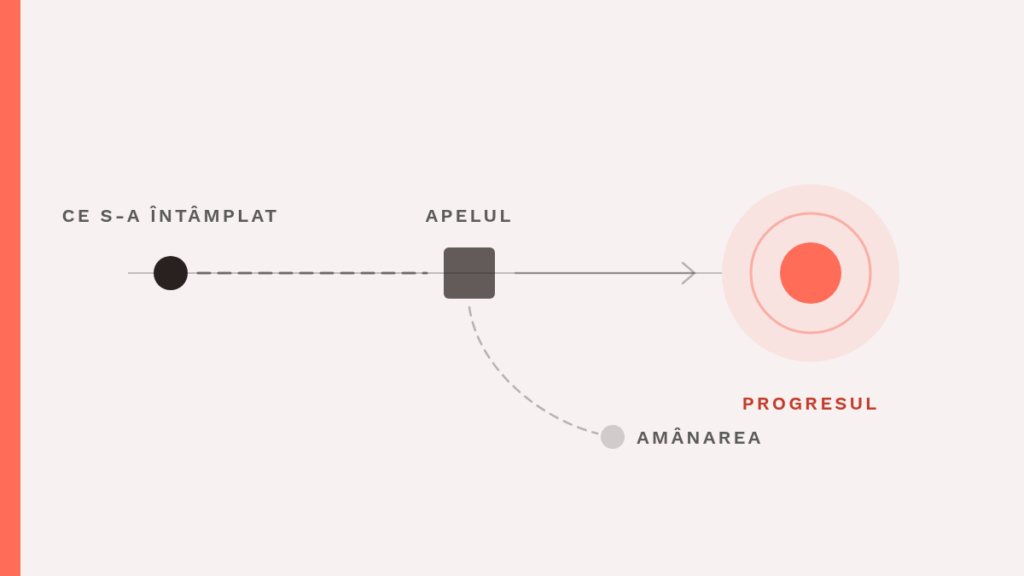
When a client calls, they are trying to finish a job in their life, and the question about price or schedule is the first step in that job. If you answer the question and stop there, you leave them alone with the rest.
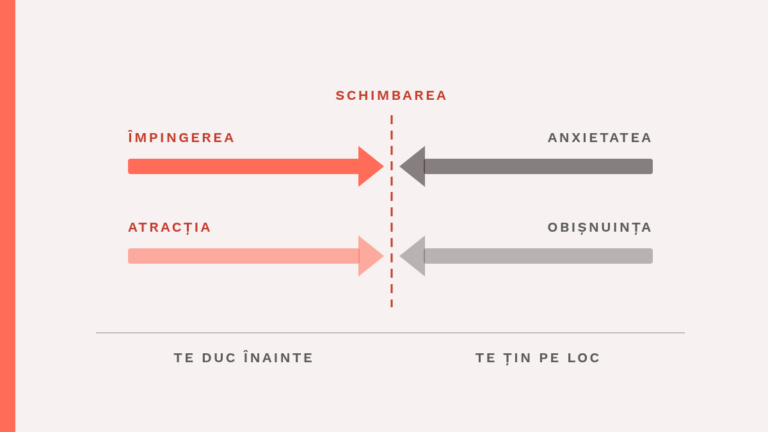
The frame for that pattern is called Jobs-to-be-Done: the progress the client seeks when they buy. Clayton Christensen, Taddy Hall, Karen Dillon and David S. Duncan explained it in Harvard Business Review in September 2016, in the article “Know Your Customers’ Jobs to Be Done”. I wrote about their best-known case in an article on what customers look for when they buy.
Here I take a case from their book Competing Against Luck that sits closer to the phone ringing in your firm. It is the story of a university that answered every information request politely and still lost people along the way.
1. What the client’s job means
The authors define the job as “the progress that a customer seeks in a particular circumstance”. The word that matters is circumstance. The same person can ask different things of the same product, based on where they stand and what presses them that week.
The client does not buy your product. They buy the progress they make with it.
For a firm, a phone call or a form filled on the site marks the moment the person decided to take a step. What they want to finish started long before the call, at home or at work.
2. How a university answered requests
Southern New Hampshire University, an American university, treated every candidate the same at first. Anyone who asked for information on the site got a standard reply within 24 hours, and about a week later a packet of materials arrived by mail, the same for everyone. Then the university waited for the person to come back on their own.
The process had been built for 18-year-old high-school graduates, the audience the university had chased for a long time. For a young person picking a college in their final year of high school, a few weeks of waiting do little harm.
3. What the person asking was trying to get done
The team of Paul LeBlanc, the university’s president since 2003, looked at the online candidates with the job question. The average online student was 30 and split their time between work and family. The 18-year-old sought the formative years of college, while the adult “hired” the university for a different job.
The adult wanted a degree that would help them advance at work, while the rest of their life kept moving. For them, a standard reply after a day and an envelope after a week left room to change their mind. The authors note that for many of these adults, the alternative to the university was to enroll nowhere.
Your real competitor can be delay as well. The person who calls you weighs your offer against waiting another year, often before they weigh you against other firms.
4. What the university changed
Leadership and about 20 professors and administrators from the online side drew the full candidate path (consumer journey) on a board, from the first request to the first class. They marked every obstacle that slowed the person down and removed it. Then they gave each new online student a personal adviser who stays in touch and spots problems early.
The online recruiting team moved into separate offices in Manchester, so it could work under different rules from the rest of the university. By the end of fiscal year 2016, the university had more than 75,000 students, and revenue neared $535 million.
The figures come from the authors, and Christensen once sat on the university’s board. Read the case as a story told from the inside, and check other sources before you copy it.
5. The same job, in another category
A builder in the Detroit area hired Bob Moesta to help sell new apartments aimed at retirees and divorced parents, with granite counters and stainless-steel appliances. Focus groups asked for bay windows, the architect added them, and sales stayed flat. Moesta then went to talk with people who had already bought.
In those talks the dining room table kept coming back, and buyers tied it to family. “As soon as I figured out what to do with my dining room table, I was free to move,” people told him. Moesta concluded that the firm was in the business of moving lives, and construction was one piece of that job.
The builder enlarged the dining rooms and offered help with the move, two years of storage and a room in the building where owners could sort their things at their own pace. The price rose by $3,500, a sum that covered the move and the storage. According to the Christensen Institute, in 2007, when industry sales had fallen 49%, the firm had grown its business by 25%.
The case shows why I stand by this line: “One hour with five real clients tells you more than a day of brainstorming in a meeting.” Brainstorming, the meeting where the team throws out ideas, would have picked the windows again. The buyers talked about the table.
6. What you ask when a client calls
The first question covers what happened in the person’s life in the days before the call. A call usually follows an event: a missed promotion, a lost contract, an employee who left.
The second question covers the alternative: what replaces you if they do not buy from you? At the university, the alternative was delay. At your firm it may be an Excel file, a nephew who knows computers, or nothing.
The third question covers the brake. With the apartments, the brake was the dining room table, the fear of leaving behind an object with weight in the family, and the client rarely names it on the phone.
The fourth question covers time: how long until their resolve cools? The university answered at its own pace, and the 30-year-old adult lived at the pace of work and family. Once you have the answers, draw the path from the first call to the purchase and cut the steps that hold the person still.
What to remember
A client calls you in the middle of a job in their life, and their question shows you a piece of it. Find out what happened before the call, what replaces you and what stops them. Then fit the path from first contact to purchase to their pace.
Brand Mentors
I work with companies through Brand Mentors
There I do brand strategy and consulting, starting from consumer psychology. You will find the services on brandmentors.ro.
Go to Brand Mentors